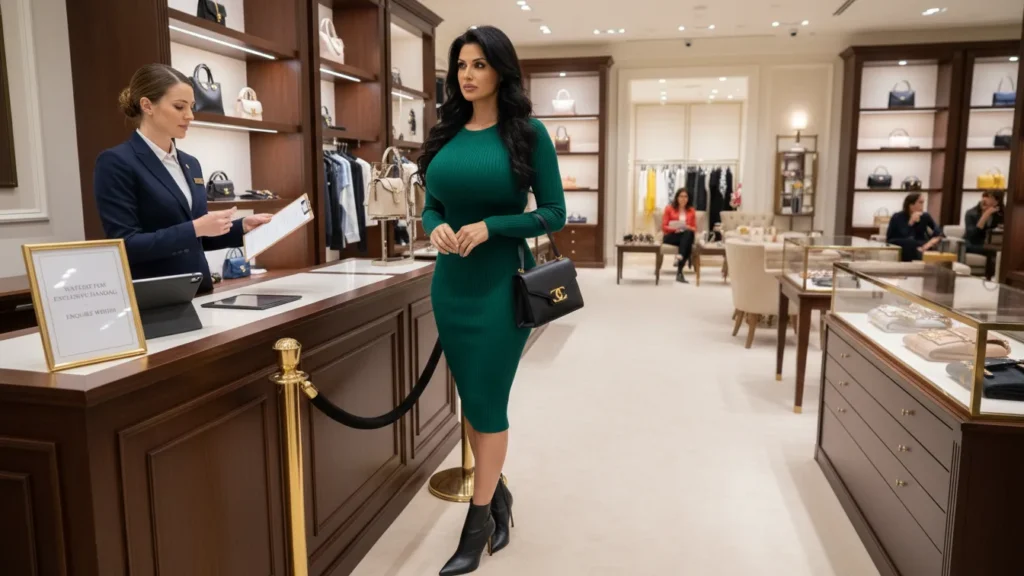
The Strange Moment When “Unavailable” Becomes Irresistible
You ask about a product.
The answer isn’t yes.
It isn’t no.
It’s “There’s a waiting list.”
Something subtle happens in your mind.
You wanted it.
Now you want it more.
Not because the product changed—but because time entered the equation.
Waiting lists don’t discourage demand.
They intensify it.
And this effect isn’t accidental, emotional, or irrational.
It’s deeply human.
The Core Misunderstanding About Waiting Lists
Most people assume waiting lists exist because brands can’t keep up with demand.
In reality, many waiting lists exist because brands don’t want to eliminate them.
Waiting lists are not just logistical tools.
They are psychological amplifiers.
They transform:
- Interest into investment
- Curiosity into commitment
- Desire into identity
Once waiting begins, the product no longer feels optional.
Why the Human Brain Values What It Can’t Have Immediately
At the center of waiting-list psychology is a simple principle:
The brain assigns higher value to delayed rewards that feel selective.
This is supported by behavioral economics and cognitive psychology.
Delayed access triggers:
- Anticipation
- Mental rehearsal
- Emotional attachment
- Fear of exclusion
Waiting creates relationship, not frustration—when framed correctly.
Scarcity Feels Real When Time Is the Cost
Price is abstract.
Time is personal.
When someone waits:
- They rearrange expectations
- They invest attention
- They imagine ownership repeatedly
Each day spent waiting increases psychological ownership.
By the time the product arrives, the buyer isn’t deciding anymore.
They’re fulfilling something.
Why Waiting Lists Create Commitment Without Pressure
Traditional sales push decisions forward.
Waiting lists pull people inward.
Once someone joins a list:
- They self-identify as a future owner
- They justify the desire internally
- They resist alternatives
- They defend the choice subconsciously
This is called pre-decision commitment.
The brand doesn’t need persuasion.
Time does the work.
Real-World Examples of Waiting Lists Increasing Demand
Some of the strongest brands in the world rely on waiting lists intentionally.
- Hermès uses waiting lists to reinforce patience, discretion, and privilege
- Rolex benefits from multi-year waits that increase resale value and brand authority
- Ferrari controls ownership access to protect long-term desirability
In each case, waiting doesn’t reduce demand.
It filters and concentrates it.
Waiting Lists Signal Social Proof Without Advertising
A waiting list quietly says:
Other people want this too.
But unlike ads, it doesn’t shout.
It implies:
- Popularity without promotion
- Value without explanation
- Demand without discounts
This makes desire feel organic, not manufactured.
And that distinction matters deeply to high-value buyers.
Why “First Come, First Served” Feels Fair—and Powerful
Most waiting lists are structured around fairness.
Not favoritism.
Not auctions.
Not bidding wars.
This creates:
- Trust in the process
- Reduced resentment
- Willingness to wait longer
Fair systems reduce friction while preserving exclusivity.
People will wait longer for something they believe is earned.
The Emotional Timeline of Waiting (What Actually Happens)
Waiting doesn’t stay static.
It evolves.
- Initial excitement – Joining the list feels validating
- Anticipation – You imagine use, ownership, reactions
- Attachment – The product becomes “yours” mentally
- Justification – You rationalize price and effort
- Arrival – The payoff feels larger than the object
This emotional arc increases satisfaction after purchase.
Why Waiting Lists Reduce Returns and Regret
Interestingly, waiting lists often reduce buyer’s remorse.
Why?
Because:
- The decision wasn’t impulsive
- Desire was tested over time
- Alternatives were considered and rejected
- Ownership felt intentional
Time filters out uncertainty.
Only aligned buyers remain.
Comparison: Immediate Availability vs Waiting Lists
| Factor | Immediate Availability | Waiting List |
|---|---|---|
| Emotional Investment | Low | High |
| Perceived Value | Neutral | Elevated |
| Impulse Buying | High | Low |
| Buyer Commitment | Weak | Strong |
| Post-Purchase Satisfaction | Variable | Higher |
| Brand Authority | Transactional | Elevated |
Waiting changes not just demand—but demand quality.
Why This Matters Today
We live in a world optimized for speed.
One-click buying.
Same-day delivery.
Instant gratification.
Waiting lists slow the system down—and that’s exactly why they work.
They restore:
- Meaning
- Anticipation
- Deliberateness
In an instant world, patience becomes a signal of worth.
Hidden Insight: Waiting Filters for Identity, Not Urgency
Not everyone is willing to wait.
And that’s the point.
Waiting lists filter out:
- Casual interest
- Price-only buyers
- Trend-chasers
They attract:
- Long-term thinkers
- Identity-driven buyers
- Loyal customers
Time becomes a quiet gatekeeper.
Common Mistakes Brands Make With Waiting Lists
- Overpromising timelines
- Poor communication during the wait
- Treating waiting as inconvenience instead of value
- Removing lists too quickly to chase volume
A waiting list only works when it feels intentional, not chaotic.
Actionable Insight: How to Experience Waiting Differently as a Buyer
If you find yourself on a waiting list:
- Notice how your desire evolves
- Observe what alternatives you dismiss
- Pay attention to anticipation, not impatience
- Ask whether the wait itself adds meaning
Often, the waiting is part of the product.
Key Takeaways
- Waiting lists increase demand by increasing emotional investment
- Time creates psychological ownership before purchase
- Scarcity feels more real when access is delayed
- Waiting improves commitment and satisfaction
- Brands use waiting lists to filter, not frustrate
- In fast markets, patience becomes premium
Frequently Asked Questions
1. Are waiting lists just artificial scarcity?
Not always. Many are deliberately maintained to protect brand value and experience.
2. Why do people stay on waiting lists instead of choosing alternatives?
Because waiting increases attachment and reduces perceived substitutability.
3. Do waiting lists only work for luxury brands?
No, but they work best where identity and meaning matter.
4. Can waiting lists backfire?
Yes, if communication is poor or timelines feel dishonest.
5. Does waiting really increase satisfaction after purchase?
Often, yes. The anticipation amplifies emotional payoff.
Final Thoughts: Time Is the Invisible Price
Waiting lists don’t just delay access.
They deepen desire.
They turn wanting into commitment.
They turn products into milestones.
And once you understand that, waiting no longer feels like an obstacle.
It feels like proof.
Disclaimer: This article is for general educational insight into consumer behavior and marketing psychology and does not offer financial or purchasing advice.
Pingback: Why Luxury Maintenance Is Expensive: The Hidden System Behind Premium Ownership
Pingback: Why Luxury Brands Never Discount — And Why That Makes Them More Desirable
Pingback: Why Luxury Brands Destroy Unsold Products — The Strategy Behind a Controversial Choice
Pingback: How Luxury Pricing Is Actually Decided (And Why It Works So Well)
Pingback: Why Luxury Stores Feel Empty (And Why That’s Completely Intentional)
Pingback: Why Luxury Never Needs to Explain Itself
Pingback: Why Luxury Brands Sell Fewer Products — The Counterintuitive Strategy That Protects Desire, Power, and Prestige
Pingback: Why Luxury Brands Limit Availability (And Why That Restraint Makes Them Powerful)