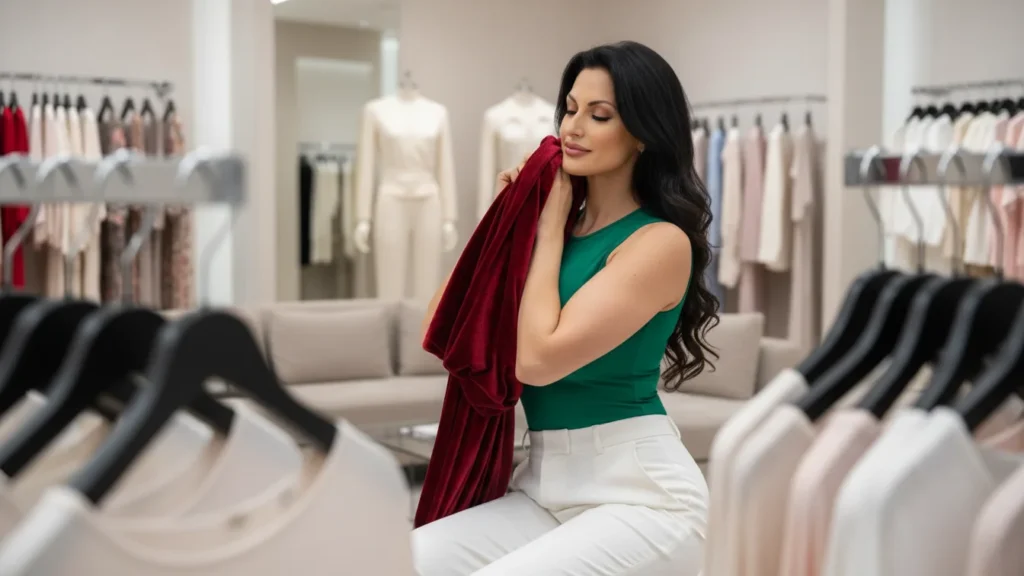
Before You See Luxury, You Feel It
Long before you evaluate price, branding, or design, something else happens first.
You feel.
A fabric brushes your skin.
A handle rests in your palm.
A surface resists—or yields—under pressure.
And in that instant, your brain makes a judgment.
Not consciously.
Not verbally.
But decisively.
Texture is one of the fastest perception shortcuts the human brain uses—and luxury understands this better than almost any other industry.
The Brain Trusts Texture More Than Words
Humans evolved to assess safety, quality, and value through touch.
Texture signals:
- Durability
- Authenticity
- Care
- Effort
A smooth plastic surface tells a different story than hand-finished leather—even before you know what it is.
This is why texture often overrides:
- Logos
- Labels
- Claims
- Marketing language
If something feels cheap, the mind rarely upgrades it later.
Why Texture Feels “Honest” to the Brain
Visuals can deceive.
Touch is harder to fake.
From a neurological perspective, tactile input is processed closer to emotional and memory centers than visual input alone.
That’s why:
- Heavy objects feel more valuable
- Natural fibers feel more trustworthy
- Imperfections feel human
- Resistance feels intentional
Luxury uses texture as proof, not decoration.
Texture Creates Meaning Without Explanation
Luxury rarely explains itself.
Texture allows it to communicate without language.
A few examples:
- Matte finishes feel restrained
- Soft resistance suggests durability
- Natural irregularities imply craftsmanship
- Cool metals signal precision
- Warm surfaces suggest intimacy
None of this is accidental.
Texture is storytelling—compressed into sensation.
Why Smooth Isn’t Always Superior
One of the most common misconceptions is that smoother equals better.
In reality, overly smooth often feels synthetic.
Luxury textures usually include:
- Micro-variation
- Subtle grain
- Gentle resistance
- Depth rather than polish
Perfect uniformity feels industrial.
Controlled imperfection feels considered.
This is why handmade objects often feel more valuable—even when visually similar.
How Luxury Brands Use Texture Strategically
High-end brands design texture before color.
Materials are chosen not just for appearance, but for:
- How they age
- How they warm to touch
- How they respond to use
- How they signal care over time
For example:
- Hermès leather is prized as much for feel as for look
- Bottega Veneta relies on woven texture to communicate quiet craft
- Loro Piana builds reputation almost entirely on tactile excellence
Texture becomes the brand signature.
Why Texture Alters Price Perception Instantly
Studies in consumer psychology consistently show that tactile cues influence willingness to pay.
When texture signals:
- Density
- Warmth
- Resistance
- Natural origin
People:
- Assume higher quality
- Expect longer lifespan
- Accept higher prices
- Feel less need for justification
Texture short-circuits skepticism.
The Emotional Language of Texture
Different textures trigger different emotional states.
- Soft → comfort, safety, intimacy
- Rough → authenticity, honesty, grounding
- Cool → precision, control, modernity
- Warm → familiarity, heritage, calm
- Heavy → importance, seriousness, permanence
Luxury environments carefully balance these signals.
Nothing is random.
Texture in Spaces: Why Luxury Rooms Feel Calm
Luxury interiors rarely overwhelm visually.
Instead, they rely on:
- Natural stone
- Wood grain
- Linen and wool
- Matte metals
- Layered surfaces
These textures slow perception.
They absorb sound.
They diffuse light.
They reduce cognitive load.
That’s why luxury spaces feel quieter—even without silence.
Texture vs Pattern: A Critical Distinction
Patterns attract attention.
Textures hold it.
Patterns are noticed quickly—and then fade.
Texture continues to reveal itself over time.
Luxury favors texture because it rewards proximity, not distance.
It invites you closer.
Comparison: Texture-Driven Luxury vs Visual-Driven Design
| Aspect | Visual-Driven Design | Texture-Driven Luxury |
|---|---|---|
| First Impression | Immediate | Gradual |
| Emotional Impact | Short-lived | Long-lasting |
| Trust Signal | Moderate | High |
| Aging Over Time | Often dated | Improves |
| Price Justification | Needs explanation | Feels intuitive |
| Engagement | Passive | Experiential |
Luxury invests in what lasts.
Why Texture Matters More in a Digital World
Screens flatten experience.
Everything becomes visual, scrollable, interchangeable.
Texture reintroduces:
- Physical presence
- Reality
- Distinction
- Memory
As life becomes more digital, tactile experiences grow more valuable.
Luxury benefits from this shift naturally.
Hidden Insight: Texture Signals Effort, Not Wealth
The most powerful luxury textures don’t scream expense.
They whisper effort.
You sense:
- Time invested
- Hands involved
- Processes respected
- Materials understood
This creates admiration—not intimidation.
Common Mistakes People Make When Judging Texture
- Confusing smoothness with quality
- Ignoring weight and resistance
- Prioritizing appearance over feel
- Expecting instant gratification
- Overlooking how materials age
Texture reveals itself slowly—by design.
Actionable Insight: How to Train Your Texture Awareness
Next time you interact with something expensive:
- Close your eyes briefly
- Notice temperature changes
- Feel resistance and softness
- Observe how your grip relaxes or tightens
- Pay attention to how long you want to keep touching it
Texture influences behavior before thought.
Why This Matters Today
Modern life is visually loud.
Texture brings relief.
It slows decision-making.
It anchors attention.
It restores trust.
In a world full of claims, texture remains evidence.
Key Takeaways
- Texture shapes perception faster than visuals
- The brain trusts touch more than words
- Luxury uses texture to signal effort and care
- Imperfection often feels more valuable than polish
- Texture deepens emotional attachment
- In digital worlds, tactile cues gain importance
Frequently Asked Questions
1. Can texture really influence how expensive something feels?
Yes. Tactile cues significantly affect perceived value and trust.
2. Why do natural materials feel more luxurious?
Because they carry variation, warmth, and authenticity the brain recognizes.
3. Is texture more important than design?
They work together, but texture often sustains value longer.
4. Can brands fake luxury texture?
They can imitate it visually, but touch usually reveals the truth.
5. Does texture affect long-term satisfaction?
Yes. Tactile pleasure tends to increase attachment over time.
Final Thoughts: Texture Is Felt Before It’s Understood
Luxury doesn’t convince.
It confirms.
Through texture, it speaks directly to the nervous system—bypassing logic, explanation, and persuasion.
If something feels right, the mind follows.
That is the quiet power of texture.
Disclaimer: This article is for general educational insight into design, perception, and lifestyle psychology and does not provide professional or purchasing advice.
Pingback: Why Luxury Cars Feel Calm — The Hidden Engineering That Makes You Feel Instantly at Ease
Pingback: Why Luxury Skincare Costs So Much — And What You’re Really Paying For
Pingback: Why Expensive Things Feel “Right” Instantly
Pingback: Why Luxury Beauty Feels Indulgent — The Science, Psychology, and Craft Behind That Guilty-Pleasure Feeling
Pingback: Why Luxury Beauty Is Sensory — The Hidden Reason It Feels Deeper, Calmer, and More Powerful Than Results Alone
Pingback: Why Luxury Beauty Feels Different — The Hidden Psychology, Science, and Craft Behind the Experience
Pingback: Why Luxury Items Need Special Care — The Quiet Discipline That Protects Beauty, Value, and Legacy
Pingback: Why Subtlety Feels More Expensive — The Quiet Psychology Behind True Luxury
Pingback: Why True Luxury Gets Better With Time (And Fast Fashion Doesn’t)