The Loudest Brands Are Often the Quietest
Some brands feel powerful the moment you encounter them.
Not because they shout.
Not because they follow you online.
Not because they flood your screen with ads.
They simply exist—and you already know their value.
You see a watch on someone’s wrist.
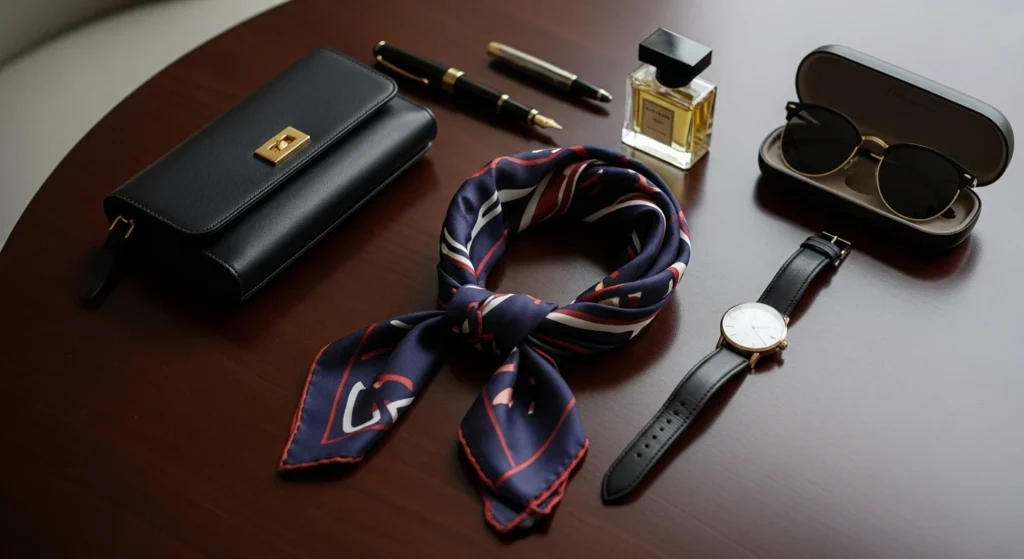
A bag carried without logos.
A phone placed face-down on a café table.
No explanation needed.
This is the paradox of modern luxury: the most powerful brands often advertise the least—or not at all.
In a world saturated with promotions, silence has become a signal.
And restraint has become status.
This article explores why some luxury brands feel dominant without advertising—and how psychology, culture, and design quietly do the work that ads once did.
The Shift: From Visibility to Authority
For decades, advertising meant legitimacy.
If a brand was everywhere, it must be important.
If it spent heavily, it must be successful.
That logic no longer holds.
Today, visibility often signals insecurity.
Consumers are more skeptical.
They know ads can be bought.
They know hype can be manufactured.
True authority now comes from:
- Consistency over time
- Cultural relevance
- Quiet confidence
- Proof through presence, not persuasion
Luxury brands that understand this don’t compete for attention.
They let attention come to them.
Why Advertising Can Actually Weaken Luxury
Advertising creates familiarity.
When a brand appears too often, too loudly, or too aggressively, it risks:
- Feeling accessible instead of aspirational
- Being associated with selling, not belonging
- Losing its sense of mystery
This is why many high-end brands deliberately limit exposure.
Not because they can’t advertise—but because they don’t need to.
Silence, in this context, isn’t absence.
It’s control.
The Psychology of Quiet Power
Luxury branding operates on deep psychological triggers.
When a brand doesn’t advertise, people subconsciously assume:
- It’s already successful
- It doesn’t need validation
- It’s selective about its audience
This triggers what psychologists call scarcity bias and status inference.
In simple terms:
If it’s hard to access and rarely promoted, it must be valuable.
Silence becomes a credibility shortcut.
Cultural Signals Do the Marketing Instead
Some brands grow not through ads—but through culture.
They appear in:
- Private social circles
- Influential communities
- Film, art, and architecture
- High-performance environments
Their visibility is organic, not purchased.
For example:
- A watch worn by professionals, not influencers
- A bag passed down through generations
- A car associated with engineering, not commercials
This form of exposure feels earned—and therefore trusted.
Case Study: Brands That Feel Powerful Without Advertising
Several iconic luxury brands demonstrate this strategy perfectly.
- Hermès
Scarcity, craftsmanship, and controlled distribution—not ads—drive desire. - Rolex
Visibility through achievement and legacy, not persuasion. - Bottega Veneta
Famous for removing logos and letting design speak. - Apple
When advertising exists, it’s minimal, symbolic, and rarely promotional.
Each of these brands uses advertising sparingly—and only to reinforce existing power, not create it.
Advertising vs. Authority: A Clear Comparison
| Aspect | Advertising-Driven Brands | Authority-Driven Brands |
|---|---|---|
| Primary strategy | Promotion | Presence |
| Brand tone | Persuasive | Confident |
| Consumer perception | “Convince me” | “I already know” |
| Growth style | Fast, visible | Slow, enduring |
| Emotional impact | Excitement | Desire |
Luxury power lives firmly in the second column.
Why This Matters Today (More Than Ever)
Modern consumers are overwhelmed.
They scroll past hundreds of ads daily.
They skip, mute, block, and ignore.
In this environment:
- Loud brands blend together
- Quiet brands stand out
Silence creates contrast.
And contrast creates memory.
For luxury brands, being less visible can actually make them more memorable.
The Hidden Mechanics Behind No-Ad Brands
Brands that feel powerful without advertising usually master five internal disciplines:
- Extreme Consistency
No sudden rebrands. No trend-chasing. - Product Obsession
The product does the convincing. - Controlled Growth
Expansion never outpaces perception. - Cultural Alignment
They align with values, not algorithms. - Long-Term Thinking
Decades matter more than quarters.
Advertising becomes optional—not essential.
Common Mistakes Brands Make When Trying This
Silence is powerful—but only when earned.
Many brands try to “go quiet” too early and fail.
Mistakes to avoid:
- Reducing ads without building reputation
- Confusing minimalism with invisibility
- Removing logos before establishing recognition
- Copying luxury signals without substance
Quiet power must be built, not performed.
How Consumers Can Spot True Quiet Luxury
Not everything that’s quiet is premium.
Use these signals to tell the difference:
- Longevity over hype
- Craft over claims
- Reputation over reach
- Confidence over explanation
If a brand doesn’t need to tell you why it’s valuable—it probably is.
Actionable Lessons (Even Beyond Luxury)
This strategy isn’t limited to fashion or watches.
It applies to:
- Personal brands
- Businesses
- Creative work
- Professional reputation
Key lesson:
Visibility creates awareness. Authority creates pull.
Once authority exists, promotion becomes optional.
Key Takeaways
- Powerful luxury brands often advertise less, not more
- Silence signals confidence, success, and selectivity
- Advertising can dilute luxury when overused
- Cultural presence beats promotional visibility
- Quiet brands rely on consistency, craftsmanship, and time
Frequently Asked Questions
1. Do luxury brands really avoid advertising completely?
No. They use it selectively—often for storytelling, not selling.
2. Can smaller brands use this strategy?
Yes, but only after building credibility and consistency first.
3. Is quiet branding the same as minimal branding?
No. Quiet branding is strategic restraint, not aesthetic minimalism.
4. Why do consumers trust quiet brands more?
Because silence suggests confidence and long-term stability.
5. Will advertising ever disappear from luxury?
Unlikely—but its role will remain subtle and symbolic.
Conclusion: Power Doesn’t Need Permission
The strongest luxury brands don’t ask for attention.
They command it—quietly.
They don’t explain their value.
They demonstrate it over time.
In a world addicted to noise, restraint has become the ultimate flex.
And that’s why some brands feel powerful—without ever saying a word.
Disclaimer: This article is for informational and educational purposes only and reflects general branding and consumer behavior insights, not business advice.