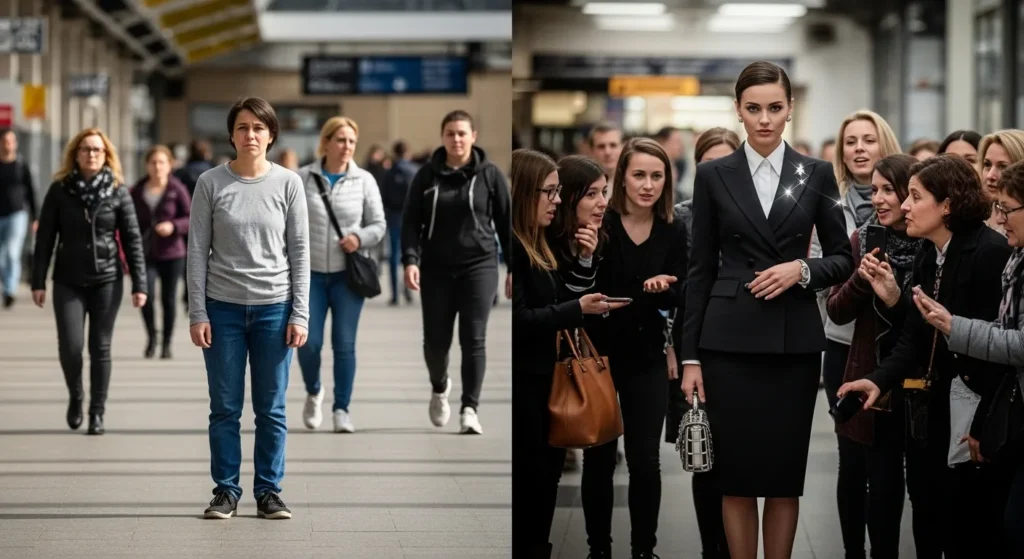
Respect Before Words Are Spoken
You’ve seen it happen.
Someone enters a room.
They don’t speak louder.
They don’t explain themselves.
Yet the energy shifts.
People notice.
Conversations soften.
Attention subtly redirects.
Nothing obvious changed—except the signals.
Luxury has a unique ability to trigger instant, unspoken respect.
Not admiration. Not envy.
Respect.
And this reaction happens faster than conscious thought.
This article explores why luxury carries that power, how the brain interprets it, and why these signals matter more today than ever—far beyond fashion or wealth.
Respect Is Not About Price—It’s About Signals
A common misconception is that luxury earns respect because it’s expensive.
That’s only partially true.
Respect comes from what luxury represents, not what it costs.
Luxury signals:
- Long-term thinking
- Access without urgency
- Confidence without explanation
- Control over resources and time
The human brain reads these cues instantly.
Before logic engages, perception has already decided.
The Brain Is Wired to Respect Scarcity and Control
From an evolutionary standpoint, humans evolved to respect those who controlled resources without visible struggle.
Luxury taps directly into this wiring.
When something appears:
- Rare
- Difficult to access
- Carefully made
- Quietly maintained
The brain associates it with:
- Competence
- Stability
- Authority
This happens subconsciously, within milliseconds.
Luxury doesn’t demand respect.
It activates it.
Why Loud Wealth Rarely Earns Respect
Not all displays of wealth create respect.
In fact, many do the opposite.
Overt signals—flashy logos, exaggerated claims, constant validation—often trigger skepticism instead.
Why?
Because respect is tied to self-control, not excess.
Luxury that earns respect usually demonstrates:
- Restraint over display
- Substance over spectacle
- Ease over effort
This is why understated brands, homes, and lifestyles often command more respect than louder, more expensive ones.
Quiet Luxury vs Loud Luxury: A Clear Contrast
| Signal | Loud Luxury | Quiet Luxury |
|---|---|---|
| Primary message | “Notice me” | “I don’t need to be noticed” |
| Emotional response | Attention, envy | Respect, curiosity |
| Perceived confidence | Performative | Natural |
| Time horizon | Short-term impact | Long-term authority |
| Social interpretation | Status-seeking | Status-assured |
Respect consistently follows the second column.
Why Luxury Feels Trustworthy
Trust and respect are deeply linked.
Luxury environments and brands often feel trustworthy because they emphasize:
- Precision
- Consistency
- Detail
- Reliability over novelty
Whether it’s craftsmanship, service, or communication, luxury reduces uncertainty.
And humans instinctively respect what feels stable.
This is why people often:
- Speak differently in luxury spaces
- Behave more carefully around premium objects
- Assume competence from luxury-associated individuals
The context changes behavior.
Real-Life Examples You Instantly Recognize
Luxury-triggered respect appears everywhere—not just in products.
Examples include:
- A professional with impeccably maintained tools
- A minimalist office with exceptional materials
- A vehicle chosen for engineering, not attention
- Clothing with perfect fit but no obvious branding
In each case, the respect comes before explanation.
The signal speaks first.
Brands That Understand Instant Respect
Some brands have mastered this psychology over decades.
- Rolex
Signals precision, endurance, and achievement—not trends. - Hermès
Scarcity and craftsmanship create reverence without noise. - Patek Philippe
Ownership implies patience, legacy, and discernment. - Apple
Design restraint communicates control and intention.
These brands rarely explain why they deserve respect.
Their presence already implies it.
Why This Matters Today (More Than Ever)
We live in an era of constant self-promotion.
Everyone is explaining, justifying, optimizing, and proving.
In this environment:
- Silence stands out
- Restraint feels powerful
- Confidence without explanation feels rare
Luxury now represents relief from noise.
That’s why respect flows toward it instinctively.
The Hidden Social Function of Luxury
Luxury also acts as a social shortcut.
It reduces the need for:
- Verbal proof
- Long explanations
- Overt credentials
It quietly communicates:
- “This person knows what they’re doing.”
- “This choice wasn’t rushed.”
- “There’s depth here.”
Respect follows efficiency.
Common Mistakes That Kill Luxury Respect
Many people and brands try to imitate luxury—and fail.
Mistakes to avoid:
- Over-signaling status
- Chasing trends too aggressively
- Explaining value instead of demonstrating it
- Confusing price with quality
- Using luxury aesthetics without discipline
Respect collapses the moment effort becomes visible.
How to Apply This Insight in Real Life
You don’t need wealth to apply luxury psychology.
Actionable steps:
- Reduce Noise
Fewer words. Fewer claims. Clearer presence. - Prioritize Quality Over Quantity
One excellent choice beats five average ones. - Signal Time, Not Urgency
Calm decision-making earns respect. - Invest in Fit and Function
Precision communicates competence. - Let Results Speak
Explanation is rarely necessary when outcomes are visible.
Luxury is a mindset before it’s a purchase.
Hidden Tip: Respect Is Often About What You Don’t Do
Luxury respect often comes from absence:
- No rushing
- No over-sharing
- No excessive justification
- No chasing approval
These omissions create space—and space creates authority.
Key Takeaways
- Luxury triggers respect through psychology, not price
- Scarcity, restraint, and control activate trust
- Quiet signals outperform loud displays
- Respect is subconscious and immediate
- Luxury principles apply to behavior, not just products
Frequently Asked Questions
1. Does luxury always equal wealth?
No. Luxury is about quality, restraint, and intention—not income.
2. Why do people behave differently around luxury?
Luxury environments signal order, stability, and expectations.
3. Can brands earn respect without being expensive?
Yes, through consistency, craftsmanship, and credibility.
4. Is quiet luxury always better?
For respect, yes. For attention, not always.
5. Can individuals use luxury signals ethically?
Absolutely—through discipline, quality, and self-respect.
Conclusion: Respect Is Felt Before It’s Understood
Luxury doesn’t argue.
It doesn’t convince.
It doesn’t explain.
It simply is.
And that quiet certainty is why respect arrives instantly—often before a single word is spoken.
In a world full of noise, luxury feels like confidence that doesn’t need permission.
Disclaimer: This article is for general informational purposes and reflects widely observed behavioral and branding patterns, not personal or financial advice.