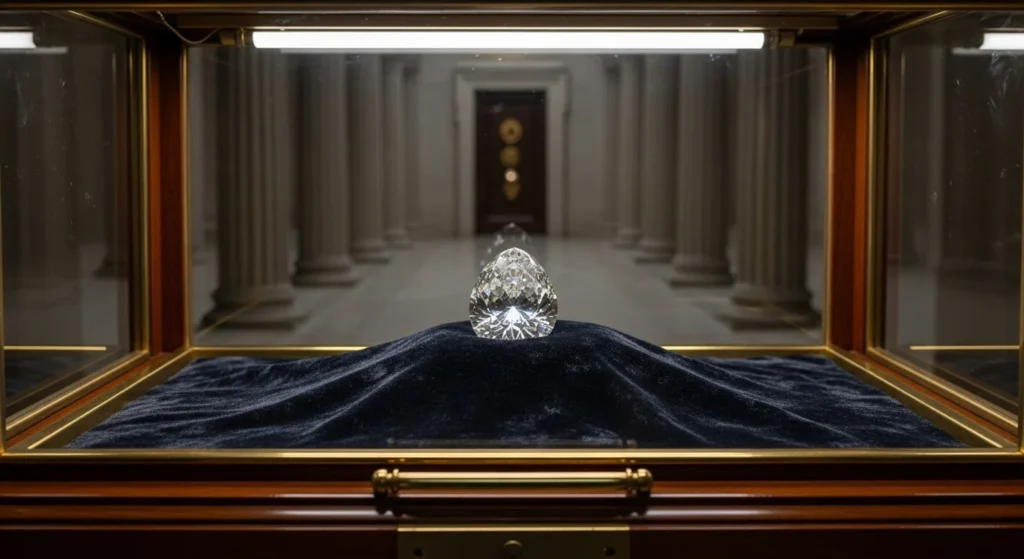
The Quiet Tension Behind Every Luxury Purchase
Luxury doesn’t shout.
It waits.
You feel it before you analyze it.
The pause.
The hesitation.
The sense that not everyone is meant to have this.
That feeling isn’t accidental.
Scarcity is not a marketing trick luxury brands use to feel elite.
It is the structural backbone that keeps luxury alive.
When scarcity disappears, luxury doesn’t become more successful.
It becomes fragile.
And eventually, it collapses.
Why Scarcity Is Not About Price — It’s About Meaning
Many people assume luxury equals high price.
That’s incomplete.
Price is only a signal.
Scarcity is the story.
Luxury works because:
- Access is limited
- Ownership feels earned
- Availability feels intentional
- Waiting feels normal, not frustrating
When something is rare, the brain assigns it importance.
Not because it costs more —
but because it cannot be rushed.
That psychological friction is what separates luxury from premium.
The Psychology: Why the Brain Needs Limits to Feel Value
Human perception is comparative.
If something is everywhere, the mind treats it as replaceable.
Scarcity triggers three powerful responses:
- Heightened attention
- Emotional attachment
- Fear of loss (without panic)
Luxury brands carefully balance desire without desperation.
When scarcity is removed, two things happen:
- The product becomes transactional
- The brand becomes forgettable
Luxury lives in anticipation, not availability.
Real-World Proof: Brands That Guard Scarcity Win Long-Term
Some of the strongest luxury brands deliberately limit supply even when demand explodes.
Examples that prove the point:
- Hermès limits Birkin and Kelly bag production, despite years-long waitlists
- Rolex restricts dealer inventory, even during record demand
- Ferrari caps production below demand intentionally
These brands could sell more.
They choose not to.
Why?
Because luxury that scales too fast loses its emotional gravity.
What Happens When Luxury Loses Scarcity
Luxury brands don’t fail loudly.
They erode quietly.
Here’s the typical pattern:
- Wider availability increases short-term revenue
- Perceived exclusivity drops
- Brand trust weakens
- Loyal customers disengage
- Discounting becomes necessary
- Status collapses
At that point, the brand is no longer luxury.
It’s just expensive.
Scarcity vs. Artificial Shortage: A Crucial Difference
Not all scarcity works.
Consumers are smarter than ever.
There’s a big difference between:
- Intentional scarcity (craft, time, quality limits)
- Manipulative scarcity (fake countdowns, forced hype)
True luxury scarcity is rooted in:
- Skilled craftsmanship
- Limited production capacity
- Material constraints
- Time-intensive processes
If scarcity feels fake, trust collapses instantly.
Luxury cannot survive without trust.
Comparison Table: Luxury With Scarcity vs Without Scarcity
| Aspect | With Scarcity | Without Scarcity |
|---|---|---|
| Emotional Value | High | Low |
| Brand Desire | Sustained | Short-lived |
| Customer Loyalty | Deep | Transactional |
| Pricing Power | Strong | Fragile |
| Long-Term Equity | Compounds | Declines |
| Status Signaling | Subtle | Loud but hollow |
Why This Matters Today (More Than Ever)
We live in an era of:
- Instant gratification
- Same-day delivery
- Endless options
- Algorithmic sameness
Scarcity now feels luxurious by contrast.
Waiting has become rare.
Restraint feels premium.
Silence feels powerful.
Luxury brands that resist overexposure stand out more today than ever before.
Common Mistakes Brands Make With Scarcity
Even luxury brands get this wrong.
Mistakes to avoid:
- Expanding production too quickly
- Overusing limited editions
- Flooding secondary markets
- Chasing short-term hype
- Explaining scarcity instead of letting it be felt
Luxury should never have to justify itself.
The moment it does, it weakens.
Hidden Insight: Scarcity Protects the Buyer Too
Scarcity doesn’t just protect brands.
It protects customers.
When access is limited:
- Buyers feel validated, not pressured
- Ownership feels meaningful
- Resale value stays strong
- Emotional satisfaction lasts longer
That’s why true luxury rarely goes on sale.
Discounting signals regret.
Luxury should signal confidence.
Actionable Lessons for Brands (Even Small Ones)
You don’t need to be a global luxury house to apply this principle.
How to apply scarcity intelligently:
- Limit production intentionally
- Say no to over-expansion
- Control distribution tightly
- Prioritize craftsmanship over scale
- Let demand exceed supply — slightly
Luxury grows by restraint, not reach.
Key Takeaways
- Luxury cannot survive without scarcity
- Scarcity creates meaning, not frustration
- Availability kills desire faster than price
- True scarcity is rooted in reality, not tactics
- Long-term brand value depends on controlled access
Frequently Asked Questions (FAQ)
1. Is scarcity just a marketing strategy in luxury?
No. In true luxury, scarcity is structural — based on production limits, craftsmanship, and time.
2. Can luxury brands grow without losing scarcity?
Yes, but growth must be slow, controlled, and selective.
3. Why don’t luxury brands simply raise prices instead?
Price without scarcity feels exploitative. Scarcity justifies price emotionally.
4. Does scarcity still work on younger consumers?
Yes. In fact, younger audiences value authenticity and restraint more than overt status symbols.
5. What happens if a luxury brand ignores scarcity?
It may grow revenue temporarily but loses long-term desirability and trust.
Conclusion: Luxury Survives by Saying “No”
Luxury isn’t defined by how many people can buy it.
It’s defined by how many can’t — and accept that willingly.
Scarcity creates space for desire.
Desire creates meaning.
Meaning creates longevity.
Without scarcity, luxury doesn’t evolve.
It dissolves.
Disclaimer: This article is for educational and informational purposes only and reflects general branding and consumer behavior principles.
Pingback: Why Luxury Brands Limit Availability (And Why That Restraint Makes Them Powerful)
Pingback: Why Luxury Brands Avoid Flash Sales — The Quiet Rule That Protects Desire and Power
Pingback: Why Limited Edition Items Feel More Valuable Than They Really Are