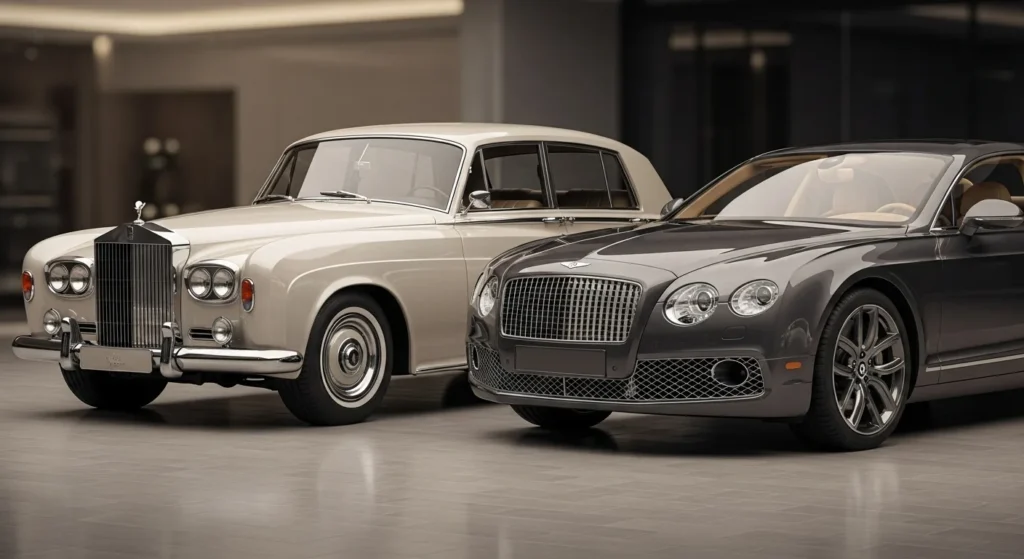
The Strange Moment You Notice It
You slide into an older luxury car.
The leather is softer than you expected.
The switches feel solid.
The drive feels… familiar.
Not outdated.
Not tired.
Just settled.
That’s when the realization hits:
Luxury cars don’t age like most cars do.
They don’t simply get older.
They evolve.
And that difference is no accident—it’s built into how luxury cars are designed, engineered, and even imagined from day one.
Aging vs Wearing Out: A Crucial Distinction
Most cars are designed to perform well when new.
Luxury cars are designed to perform well over time.
That single difference changes everything.
Aging gracefully means:
- Materials soften, not degrade
- Systems remain predictable
- Design avoids trend fatigue
Wearing out looks like:
- Loose components
- Fading finishes
- Irritating noises
Luxury engineering aims for the first—and actively resists the second.
Design Philosophy: Built for Longevity, Not Novelty
Luxury car design starts with restraint.
Instead of chasing trends, luxury brands favor:
- Timeless proportions
- Minimalist interiors
- Conservative technology integration
That’s why a decade-old car from Mercedes-Benz or Lexus still looks dignified—while trend-driven designs often feel dated in just a few years.
Luxury avoids visual noise because noise ages fast.
Materials That Improve With Use
One of the most overlooked reasons luxury cars age well is material behavior.
Luxury interiors use:
- Full-grain leather that develops patina
- Real wood or metal, not printed finishes
- Dense foams that resist collapse
Over time:
- Leather softens instead of cracking
- Switches retain resistance
- Seats become more comfortable
In contrast, lower-cost materials are designed to look good initially, not to endure repeated use.
Luxury materials expect to be lived with.
Engineering for Fatigue Resistance
Luxury cars are engineered with long-term stress in mind.
That means:
- Tighter tolerances
- Overbuilt components
- Conservative performance margins
Suspension bushings, mounts, and joints are often designed to operate well below their failure thresholds.
This is why older luxury cars often feel:
- Tight
- Predictable
- Free of rattles
They weren’t pushed to their limits when new—so time doesn’t punish them as harshly.
NVH Engineering: Why Silence Lasts
Noise, vibration, and harshness (NVH) are where cars age the fastest.
Luxury brands invest heavily in:
- Multi-layer insulation
- Rigid body structures
- Isolated subframes
As a result:
- New noises don’t emerge easily
- Cabin calm is preserved
- Driving feels consistent year after year
In vehicles from BMW or Audi, this focus is why an older car can still feel refined—while a cheaper car quickly becomes noisy and tiring.
Technology: Why Luxury Cars Age Better Digitally
This may surprise you.
Luxury cars often avoid being first adopters of flashy tech.
Instead, they:
- Introduce features slowly
- Refine systems before mass rollout
- Focus on integration, not novelty
That’s why some luxury infotainment systems feel less flashy—but more usable years later.
They don’t break your habits every update.
They respect continuity.
Driving Feel: Designed to Settle, Not Fade
Luxury cars are tuned to become more comfortable over time.
Suspension components:
- Loosen slightly
- Settle into consistent behavior
Steering:
- Feels more natural as bushings bed in
Seats:
- Mold subtly to the driver
This “settling in” creates emotional attachment.
The car starts to feel yours.
Luxury vs Ordinary Cars: How They Age Compared
| Aspect | Luxury Cars | Mass-Market Cars |
|---|---|---|
| Design | Timeless, restrained | Trend-driven |
| Materials | Age gracefully | Degrade faster |
| Cabin Noise | Stable over time | Increases |
| Driving Feel | Settles in | Loosens |
| Emotional Value | Often increases | Often declines |
Luxury cars aren’t immune to aging.
They’re just designed to age differently.
Why This Matters Today
Cars are kept longer now.
Ownership cycles are stretching.
Replacement costs are rising.
Emotional value matters more.
Luxury cars reward patience.
Instead of feeling outdated, they:
- Feel familiar
- Feel reliable
- Feel intentional
Time becomes an ally—not an enemy.
Common Mistakes Owners Make
Even luxury cars can age poorly if owners:
- Skip regular maintenance
- Use cheap replacement parts
- Ignore small noises early
Luxury longevity depends on respect.
These cars reward care—but notice neglect.
Hidden Tip: How to Choose a Luxury Car That Ages Well
When buying:
- Favor simple interiors over gimmicks
- Choose neutral colors
- Look for proven powertrains
- Prioritize material quality over screen size
The less a car chases attention, the better it ages.
Actionable Steps for Long-Term Owners
To preserve graceful aging:
- Follow service schedules strictly
- Keep interiors clean and conditioned
- Address issues early
- Use OEM or equivalent parts
Think of ownership as stewardship, not consumption.
Key Takeaways
- Luxury cars are designed to age gracefully
- Materials and engineering improve with time
- Timeless design avoids trend fatigue
- Quietness and comfort last longer
- Luxury rewards long-term ownership
Frequently Asked Questions
1. Do luxury cars really last longer?
They often feel better longer due to materials and engineering, though maintenance matters.
2. Why do older luxury cars still feel solid?
Because they were overbuilt and tuned conservatively.
3. Are luxury cars more expensive to maintain as they age?
Maintenance costs can be higher, but the experience often remains superior.
4. Does luxury technology age better or worse?
Better, when it prioritizes integration over novelty.
5. Is buying an older luxury car a good idea?
It can be—if maintenance history is strong and expectations are realistic.
Conclusion: Aging as a Feature, Not a Flaw
Luxury cars don’t fight time.
They plan for it.
They soften where it helps.
They stay firm where it matters.
They become familiar without becoming tired.
That’s why the best luxury cars don’t feel old.
They feel earned.
Disclaimer: This article is intended for general informational purposes and reflects broad automotive design and ownership principles rather than specific vehicle advice.
Pingback: Why Luxury Cars Feel Stable — The Invisible Engineering That Makes You Trust Them Instantly