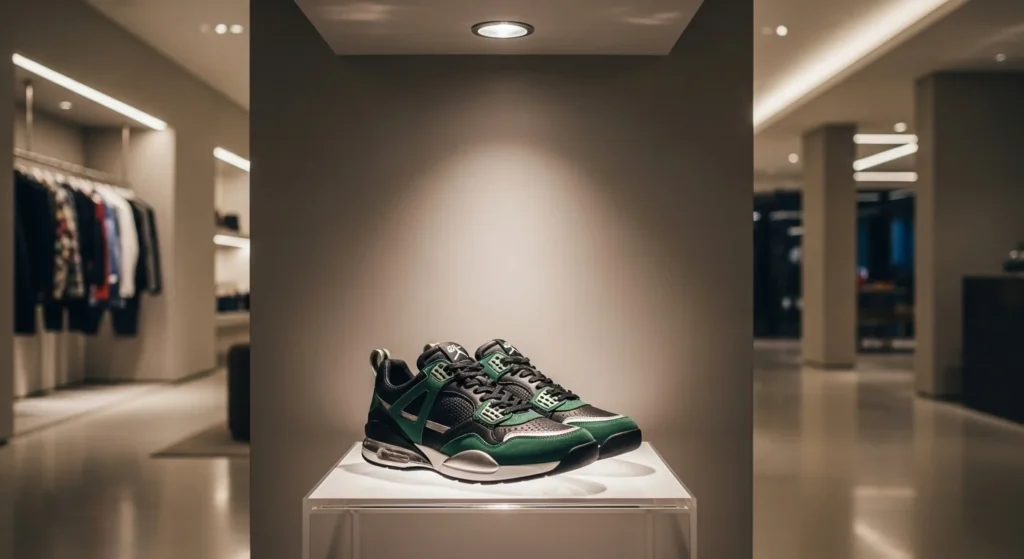
Have you ever noticed how quickly something feels more valuable the moment it becomes rare?
A handbag is just a handbag…
Until it’s “limited edition.”
A watch is just a watch…
Until only 500 exist.
A product is ordinary…
Until the brand says:
“Almost sold out.”
Suddenly, it doesn’t just feel desirable.
It feels safer.
More trustworthy.
More powerful.
And that reaction isn’t random.
It’s psychological.
Because scarcity doesn’t just increase demand…
Scarcity creates emotional security.
Let’s explore why your brain connects rarity with safety—and how luxury brands have mastered that instinct.
The Strange Comfort of Rare Things
At first, it seems irrational.
Why would something scarce feel safer?
Shouldn’t scarcity create stress?
Sometimes it does.
But luxury scarcity works differently.
Luxury objects often feel like:
- Stability
- Control
- Protection
- Belonging
- Certainty
And rarity intensifies those feelings.
Not because the object changed…
But because your brain did.
Scarcity Isn’t About Objects — It’s About Survival
To understand scarcity psychology, we need to go back.
Long before designer goods existed…
Scarcity meant survival.
In early human life:
- Scarce food mattered more
- Scarce shelter mattered more
- Scarce resources meant power
So the brain evolved a shortcut:
Rare = Valuable
Valuable = Safer to secure
That instinct still exists today.
Even when the “resource” is a luxury handbag.
1. Scarcity Triggers the Brain’s Loss Fear
One of the strongest human emotions is not desire.
It’s loss.
Psychologists call this:
Loss Aversion
We fear losing something more than we enjoy gaining it.
So when something feels scarce, your brain reacts:
- “If I don’t get it now, it’s gone.”
- “I may never have access again.”
- “This is a once-in-a-lifetime chance.”
Luxury brands don’t just sell products…
They sell the fear of missing out.
2. Scarcity Creates the Illusion of Higher Value
Here’s a powerful mental shortcut:
If it’s rare, it must be important.
Scarcity acts like a signal.
Your brain assumes:
- People must want it
- It must be high quality
- It must be worth protecting
Even when there’s no evidence.
This is called:
The Scarcity Heuristic
Your mind uses rarity as proof of value.
3. Luxury Feels Safer Because It Feels Controlled
Luxury objects are often associated with:
- Structure
- Order
- Permanence
- Prestige
Scarcity intensifies this by suggesting:
“This is not for everyone.”
That exclusivity feels like control.
And control feels like safety.
When the world feels uncertain…
People reach for symbols that feel stable.
Luxury becomes emotional armor.
4. Scarcity Signals Social Protection
Luxury isn’t only personal.
It’s social.
Rarity often signals:
- Membership
- Status
- Belonging to an elite group
Humans are wired for tribe psychology.
Being “inside” a group historically meant protection.
So owning scarce luxury can subconsciously feel like:
“I’m secure. I’m included. I matter.”
It’s not about the item.
It’s about what it represents.
Comparison Table: Abundance vs Scarcity Psychology
| Abundant Objects | Scarce Luxury Objects |
|---|---|
| Easy to replace | Feels irreplaceable |
| Low emotional urgency | High urgency + attachment |
| Common social meaning | Exclusive identity signal |
| Practical value only | Symbolic emotional safety |
| No fear of missing out | Strong loss anxiety |
5. Scarcity Makes People Trust the Brand More
Here’s a strange effect:
People often assume scarce products are more trustworthy.
Because scarcity implies:
- Selective production
- Higher standards
- Prestige filtering
Even if it’s manufactured scarcity.
Luxury brands know this.
A product becomes safer emotionally because it feels:
“Curated, not массово produced.”
6. Scarcity Creates Identity Anchors
When people buy rare luxury, they’re often buying more than an object.
They’re buying:
- A version of themselves
- A symbol of success
- A feeling of being “secure” in life
Scarcity strengthens identity.
Because the rarer the object…
The stronger the story.
“Not everyone can have this. But I do.”
That becomes an anchor.
7. In Uncertain Times, Scarcity Becomes Comfort
Many people turn to luxury more during uncertainty.
Why?
Because scarcity provides:
- Predictability
- Tangible ownership
- Something solid in a chaotic world
A rare luxury item can feel like:
- A stable investment
- A personal reward
- Emotional certainty
Even if it’s not logically safer…
It feels safer psychologically.
8. Luxury Brands Manufacture Scarcity on Purpose
Most scarcity is not accidental.
It’s strategy.
Brands create scarcity through:
- Limited drops
- Waitlists
- Exclusive access
- “Members only” collections
- Artificial supply restriction
Because scarcity drives:
- Urgency
- Desire
- Prestige
- Emotional attachment
It’s one of the most powerful marketing tools ever created.
Real-Life Examples of Scarcity Luxury
- Rolex waitlists that stretch for years
- Hermès Birkin bags with controlled access
- Supreme streetwear drops selling out in minutes
- Limited sneaker releases creating resale frenzy
These items become more than products…
They become emotional assets.
Hidden Tips: How to Outsmart Scarcity Psychology
If you want to make wiser decisions:
- Pause before buying anything “limited”
- Ask: “Do I want it—or fear losing it?”
- Separate status emotion from real value
- Remember scarcity can be manufactured
- Focus on long-term satisfaction, not urgency
Scarcity is powerful.
Awareness is stronger.
Mistakes to Avoid
- Buying because something is “almost gone”
- Confusing rarity with quality
- Using luxury as emotional security
- Believing expensive always means safe
- Letting scarcity pressure override logic
The rarest thing isn’t the handbag…
It’s peace without needing one.
Key Takeaways
- Scarcity triggers deep survival instincts
- Rare luxury feels safer because it signals value and control
- Loss aversion and FOMO intensify emotional attachment
- Exclusivity creates social belonging and identity security
- Brands often manufacture scarcity deliberately
FAQ: Scarcity and Luxury Psychology
1. Why does scarcity increase desire so quickly?
Because the brain associates rarity with survival value and fears missing out.
2. Does scarcity really mean higher quality?
Not always. Scarcity is often a marketing strategy rather than proof of excellence.
3. Why does luxury feel emotionally protective?
Luxury can act as a symbol of stability, control, and social belonging.
4. What is the scarcity heuristic?
It’s the brain’s shortcut that assumes rare things are more valuable and important.
5. How can I avoid scarcity-driven spending?
Slow down, question urgency, and focus on what provides lasting meaning—not temporary scarcity pressure.
Scarcity Doesn’t Just Sell Objects — It Sells Safety
Scarcity works because it touches something primal.
Not just desire…
But security.
Luxury objects feel safer when rare because your brain interprets rarity as:
- Value
- Protection
- Belonging
- Control
But the real safety isn’t in owning scarce things.
It’s in understanding why they feel powerful.
Once you see the psychology clearly…
You stop being controlled by scarcity.
And you start choosing freely.