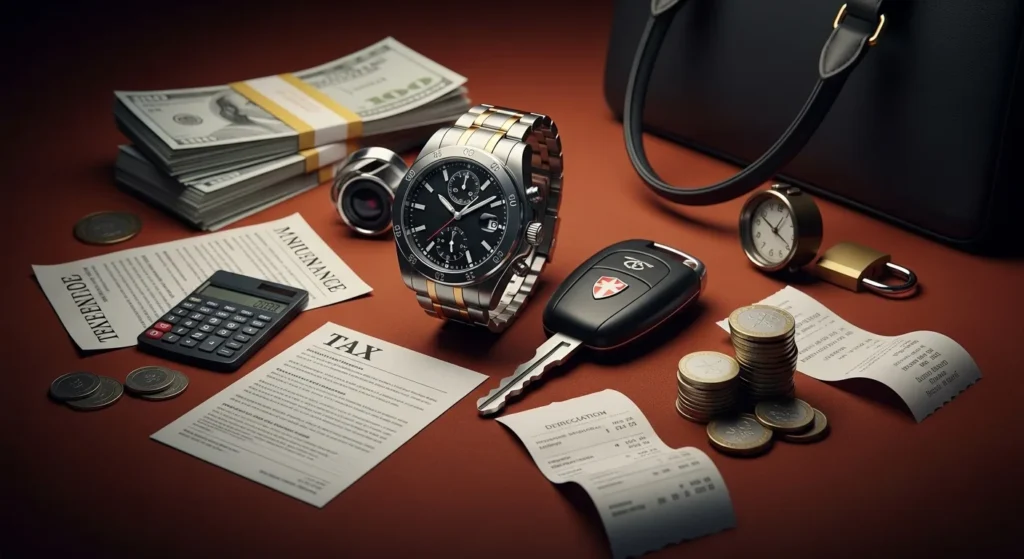
Luxury Looks Simple—Until You Own It
From the outside, luxury looks effortless.
A sleek car in the driveway.
A designer logo on the wrist.
A home that signals success before you even speak.
But ownership changes everything.
What most people never see is that luxury doesn’t stop costing money—or mental energy—after the purchase. In fact, that’s when the real expenses begin.
This isn’t an argument against luxury.
It’s an honest look at what luxury ownership actually demands, financially, psychologically, and socially.
If you’ve ever aspired to own premium things—or already do—this matters more than you think.
The Purchase Price Is Only the Entry Fee
Luxury pricing creates an illusion: “If I can afford this, I’m set.”
That assumption is where many people get blindsided.
Luxury items are built on ecosystems of ongoing cost:
- Maintenance
- Exclusivity requirements
- Specialized services
- Brand-controlled supply chains
For example, buying a high-end watch from Rolex or Patek Philippe is only the beginning. Servicing alone can cost thousands over a decade—and skipping it reduces resale value.
Luxury isn’t a transaction.
It’s a long-term commitment.
The Maintenance Multiplier Most Buyers Underestimate
Luxury items don’t age like standard goods.
They require:
- Approved technicians
- Brand-certified parts
- Scheduled upkeep
- Climate-controlled storage
- Insurance adjustments
A performance car from Ferrari, for instance, may require:
- Annual servicing regardless of mileage
- Specialized tires with short lifespans
- Limited-service garages
- Costly replacement parts
Miss one step, and the asset devalues fast.
Luxury multiplies maintenance—not just cost.
Lifestyle Inflation: The Quiet Cost That Never Shows Up on Receipts
Luxury ownership rarely stays isolated.
One upgrade creates pressure for the next.
A premium car makes your old home feel mismatched.
A luxury watch makes budget clothing feel “off.”
A high-end vacation resets your comfort baseline.
This is called lifestyle inflation, and it’s one of the most expensive side effects of luxury.
You’re not just paying for the object—you’re paying to maintain coherence with it.
The Psychological Cost: When Ownership Starts Owning You
Luxury signals status, whether you intend it or not.
That brings:
- Social expectations
- Comparison pressure
- Fear of downgrading
- Identity attachment
Many owners quietly admit:
- They worry more about damage or theft
- They feel pressure to “look successful” consistently
- They hesitate to enjoy items freely
Luxury can reduce mental freedom if it becomes tied to self-worth.
True wealth feels calm.
Performative wealth feels fragile.
The Time Cost No One Mentions
Luxury consumes attention.
Appointments.
Waiting lists.
Authenticity checks.
Resale research.
Service scheduling.
Even something as simple as insuring a luxury asset requires:
- Specialized coverage
- Higher premiums
- Documentation
- Valuation updates
Time is a hidden currency luxury demands relentlessly.
Ownership vs. Access: A Smarter Luxury Shift
One major change among high-net-worth individuals today is access over ownership.
Instead of buying:
- They lease
- Subscribe
- Rent
- Share fractional ownership
Why?
Because access delivers experience without long-term drag.
This is why luxury car subscriptions, watch leasing, and vacation property shares are growing fast.
Comparison Table: Visible vs. Hidden Costs of Luxury
| Aspect | Visible Cost | Hidden Cost |
|---|---|---|
| Purchase Price | High but clear | Often feels “final” but isn’t |
| Maintenance | Expected | Escalates over time |
| Insurance | Known | Premium increases |
| Lifestyle Pressure | Invisible | Forces further spending |
| Time Investment | Ignored | Ongoing and draining |
| Psychological Load | Unspoken | Stress, identity pressure |
Mistakes People Make When Buying Luxury
Even financially successful buyers make these errors:
- Confusing affordability with sustainability
- Ignoring long-term maintenance math
- Underestimating lifestyle alignment costs
- Buying for image instead of utility
- Assuming resale will always be easy
Luxury punishes impulsivity more than standard purchases.
Hidden Tips Before You Buy Anything Premium
Before committing, ask yourself:
- Would I still want this if no one else saw it?
- Can I comfortably afford the upkeep for 10 years?
- Does this improve my daily life—or just my image?
- Am I buying ownership or validation?
These questions save more money than negotiation ever will.
Why This Matters Today
Luxury ownership is expanding beyond the ultra-wealthy.
More people can buy luxury now—but fewer can sustain it without stress.
Social media amplifies aspiration.
Credit makes access easier.
But the long-term costs haven’t changed.
Understanding the real cost protects:
- Your finances
- Your time
- Your peace of mind
Actionable Steps to Own Luxury Without Regret
If luxury is part of your life or future plans:
- Budget maintenance first, not last
- Limit luxury categories (own fewer, better things)
- Separate identity from assets
- Choose timeless utility over trend
- Explore access models before ownership
Luxury should feel empowering—not restrictive.
Key Takeaways
- The purchase price is only the beginning of luxury cost
- Maintenance, time, and psychology matter more than logos
- Lifestyle inflation quietly multiplies expenses
- Access can outperform ownership in many cases
- True luxury enhances life—it doesn’t complicate it
Frequently Asked Questions (FAQ)
1. Is luxury ownership ever financially smart?
Yes—when items retain value, fit your lifestyle, and don’t trigger ongoing upgrades elsewhere.
2. Why do luxury items feel stressful to own?
Because they carry social signaling, maintenance risk, and identity pressure alongside enjoyment.
3. Does luxury always lose money?
Not always, but many gains are offset by upkeep, time, and opportunity cost.
4. Is renting luxury better than buying?
Often yes, especially for items used infrequently or tied to trends.
5. How can I enjoy luxury without overspending?
Focus on fewer items, long-term value, and experiences over accumulation.
Conclusion: Luxury Should Serve You—Not the Other Way Around
Luxury isn’t bad.
Aspiration isn’t wrong.
But clarity changes everything.
When you understand the real cost of owning luxury, you stop chasing symbols—and start choosing value.
And that’s when luxury becomes what it was meant to be:
A tool for enjoyment, not a quiet burden you carry.
Disclaimer: This article is for general informational purposes and reflects practical observations, not personal financial advice. Individual circumstances may vary.
Pingback: Why Luxury Items Need Special Care — The Quiet Discipline That Protects Beauty, Value, and Legacy