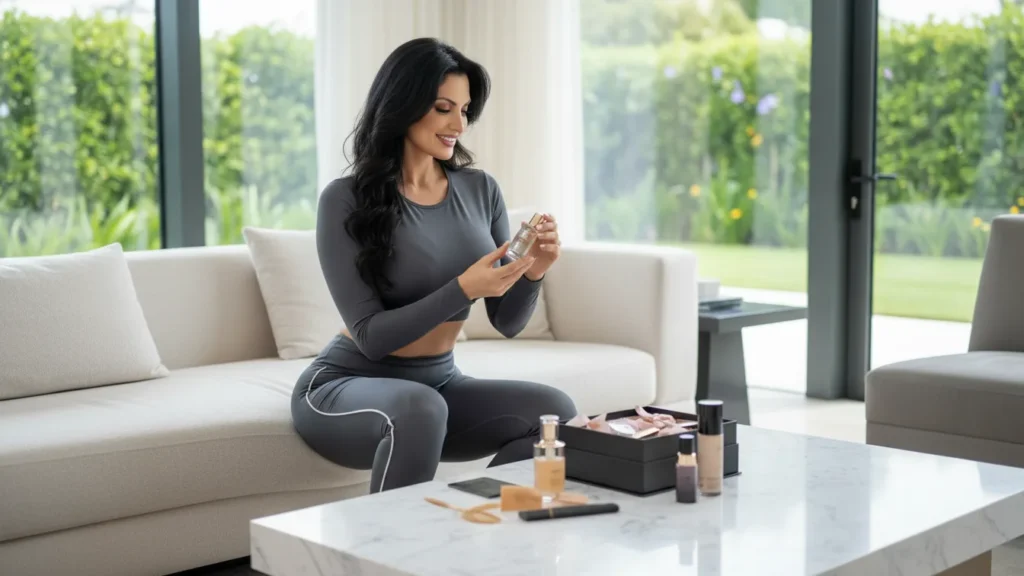
The Experience Begins Before the Product Does
Before you touch a product, try it, or even fully see it, your brain has already formed an opinion.
It happens quietly.
Instantly.
And almost always without your awareness.
The weight of the box.
The resistance of the seal.
The sound of opening.
The texture beneath your fingers.
This is why packaging influences experience so powerfully. It doesn’t decorate the product—it frames it.
In a world flooded with choices, packaging has become one of the most influential psychological tools shaping trust, satisfaction, and perceived value. Not because people are shallow—but because the human brain is efficient.
And packaging speaks its language fluently.
Packaging Is a Psychological Primer, Not a Container
Packaging does one critical thing before anything else happens:
It sets expectations.
Your brain constantly predicts what will happen next. Packaging feeds those predictions long before the product itself enters the picture.
If the packaging feels:
- Thoughtful → the product is expected to be thoughtful
- Cheap → the product is expected to disappoint
- Confident → the product is expected to perform
This expectation bias is powerful. Studies in consumer psychology consistently show that expectation shapes experience, even when the product itself does not change.
In other words:
The brain experiences what it anticipates.
Packaging is where that anticipation is built.
Why the Brain Judges Quality Before Logic Kicks In
Humans don’t evaluate products objectively first.
They evaluate signals first.
These signals are processed by the brain’s fast, emotional system—long before rational analysis begins.
Packaging communicates:
- Care (Was effort invested?)
- Competence (Does this feel well-made?)
- Trust (Is this safe, reliable, intentional?)
This is why even highly rational consumers respond to packaging cues. It’s not manipulation—it’s perception.
And perception is how humans survive complexity.
The Sensory Layer Most Brands Underestimate
Packaging is one of the few brand touchpoints that engages multiple senses at once.
Visual
Color, spacing, typography, symmetry.
Tactile
Texture, softness, rigidity, temperature.
Auditory
The sound of tearing, clicking, unfolding.
Kinesthetic
The motion of opening, lifting, sliding.
Each sensory input adds a data point to the brain’s internal story:
“This is what kind of product this is.”
When those cues align, the experience feels seamless.
When they conflict, trust erodes—even if the product is good.
Why Heavier Packaging Feels More Valuable (Even When It Isn’t)
Weight is one of the most fascinating psychological shortcuts in packaging.
Heavier objects are subconsciously associated with:
- Importance
- Durability
- Seriousness
This is why premium packaging often includes:
- Thicker cardboard
- Inner trays
- Reinforced edges
Even when unnecessary, weight signals substance.
The brain doesn’t ask, “Is this efficient?”
It asks, “Does this feel substantial?”
And that feeling becomes part of the product experience itself.
Packaging as a Trust Filter
In crowded markets, consumers don’t deeply analyze every option.
They filter.
Packaging helps answer unspoken questions:
- “Is this safe?”
- “Is this legitimate?”
- “Is this worth my attention?”
Clear labeling, intentional design, and coherence signal reliability.
Confusing, cluttered, or careless packaging triggers doubt.
This is especially critical today, when counterfeit products and low-quality knockoffs are common. Packaging has become a trust signal, not just a wrapper.
The Unboxing Effect: Why Opening Matters So Much
The moment of opening is a psychological threshold.
Before opening: anticipation
After opening: confirmation or disappointment
A well-designed unboxing experience:
- Slows the moment
- Builds narrative
- Reinforces value
This is why brands increasingly design sequences, not boxes.
Inner layers.
Notes.
Reveals.
Not for extravagance—but for emotional pacing.
How Packaging Shapes Memory (Long After Use)
People rarely remember product specifications.
They remember how something felt.
Packaging plays a major role in:
- First memory formation
- Emotional tone
- Recall strength
A positive opening experience can make:
- Products feel more effective
- Flaws feel more forgivable
- Brands feel more human
Memory is emotional, not factual.
Packaging influences the emotional imprint.
Comparison Table: Same Product, Different Packaging Experience
| Packaging Style | Perceived Quality | Emotional Response | Trust Level | Likelihood to Repurchase |
|---|---|---|---|---|
| Thin, generic box | Low | Indifference | Low | Low |
| Colorful but cluttered | Unclear | Mild confusion | Medium | Medium |
| Minimal, structured | High | Calm confidence | High | High |
| Thoughtful unboxing flow | Very high | Anticipation + delight | Very high | Very high |
Common Packaging Mistakes That Undermine Experience
Even strong products fail when packaging sends the wrong signals.
Mistakes to avoid:
- Overdesign that feels noisy or desperate
- Mismatch between brand message and packaging quality
- Excessive layers that feel wasteful rather than intentional
- Inconsistent materials across product lines
When packaging tries too hard, it signals insecurity.
Why This Matters More Than Ever Today
Consumers are overwhelmed.
They scroll fast.
Decide faster.
Trust selectively.
Packaging often becomes the deciding factor when:
- Products are similar
- Time is limited
- Attention is fragmented
In a digital-first world, physical packaging is one of the last deeply human brand interactions.
It’s tactile.
Real.
Unskippable.
That makes it powerful.
Actionable Insights: How to Improve Packaging Experience
Whether you’re a brand builder or a curious consumer, here’s what matters:
For Brands
- Design packaging as part of the product, not an afterthought
- Align sensory cues with brand values
- Test opening experience, not just shelf appearance
- Prioritize clarity over cleverness
For Consumers
- Notice how packaging shapes expectations
- Separate product performance from first impressions
- Recognize when experience bias is at play
Awareness restores balance.
Key Takeaways
- Packaging influences experience before logic engages
- The brain uses packaging as a shortcut for trust and quality
- Sensory cues shape emotion, memory, and satisfaction
- Weight, texture, and opening sequence matter more than decoration
- Thoughtful packaging builds confidence without explanation
Frequently Asked Questions (FAQ)
1. Does packaging really change how a product performs?
Packaging doesn’t change the product—but it can change how your brain experiences it, influencing satisfaction and perception.
2. Why does minimalist packaging often feel more premium?
Because restraint signals confidence and intention, which the brain associates with quality.
3. Is sustainable packaging less effective psychologically?
No. When done well, sustainable packaging can enhance trust and modern relevance.
4. Why do unboxing videos exist if packaging isn’t the product?
Because opening is a peak emotional moment—and people are drawn to shared anticipation.
5. Can bad packaging ruin a good product?
Yes. If expectations are damaged early, the experience often never fully recovers.
Conclusion: Packaging Is the First Experience, Not the Last Detail
Packaging is not superficial.
It is the opening sentence of the product story.
Before performance.
Before judgment.
Before logic.
Understanding why packaging influences experience helps us see design not as decoration—but as communication.
And once you notice it, you’ll never open a box the same way again.
Disclaimer: This article is for educational and informational purposes only and reflects general principles of consumer psychology and design.
Pingback: Why Luxury Skincare Costs So Much — And What You’re Really Paying For
Pingback: Why Texture Changes Perception (The Quiet Luxury Signal Most People Miss)
Pingback: Why Fragrance Changes How Your Skin Is Perceived (Even When Nothing Else Does)
Pingback: Why Luxury Beauty Feels Emotional — The Hidden Psychology That Makes It More Than Just Makeup
Pingback: Why Luxury Beauty Focuses on Touch — The Sensory Secret That Makes It Feel Personal, Calming, and Worth It
Pingback: Why Luxury Beauty Uses Minimal Labels — The Quiet Strategy That Builds Trust, Desire, and Long-Term Loyalty