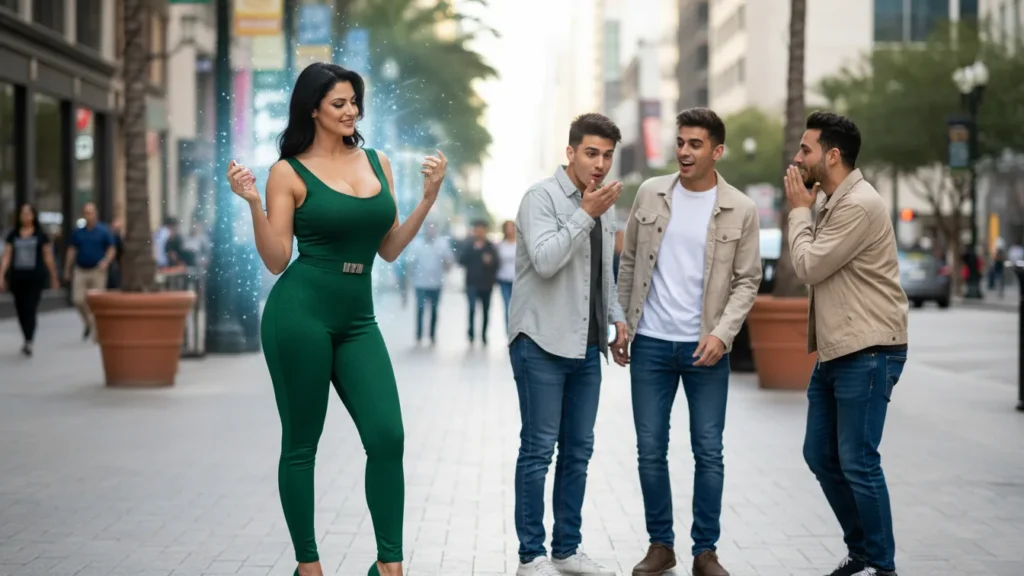
When Scent Becomes Something Else
You spray a fragrance in the air.
It smells one way.
You spray it on your skin.
It becomes something else entirely.
Softer.
Warmer.
Sharper.
Or unexpectedly unfamiliar.
This is not imagination. And it’s not marketing.
Fragrance changes skin perception because skin is not a neutral surface.
It is alive. Warm. Chemical. Reactive.
The moment fragrance touches skin, it stops being just a scent—and starts becoming an experience shaped by biology, chemistry, and psychology working together.
That’s why the same fragrance can feel elegant on one person and overpowering on another.
And why scent is often remembered as part of someone—not just something they wear.
Skin Is an Active Environment, Not a Blank Canvas
One of the biggest misconceptions about fragrance is that it “sits” on the skin.
It doesn’t.
- Slightly acidic
- Constantly warm
- Covered in natural oils
- Home to billions of microorganisms
Each of these factors influences how fragrance molecules behave.
As soon as fragrance is applied, it begins interacting with:
- Skin temperature
- Sebum (natural oils)
- Moisture levels
- Individual skin chemistry
This interaction alters how quickly notes evaporate, how intensely they project, and which elements become dominant.
In short:
Fragrance doesn’t just smell on skin—it transforms.
Why the Same Fragrance Feels Different on Different People
Two people.
Same fragrance.
Completely different impression.
This happens because skin chemistry varies dramatically from person to person.
Key factors include:
- Oil production (dry vs oily skin)
- pH balance
- Hormonal differences
- Diet and hydration
- Natural skin scent
Oily skin tends to hold fragrance longer, often amplifying deeper notes.
Dry skin may cause faster evaporation, making scents feel lighter or sharper.
This is why fragrance is often described as “personal.”
Not emotionally—biologically.
The Role of Heat: Why Skin Temperature Changes Scent
Skin is warm.
And warmth changes everything.
Heat increases the volatility of fragrance molecules, meaning:
- Scents evaporate faster
- Projection increases
- Top notes fade more quickly
- Base notes emerge sooner
This is why fragrance often smells stronger:
- On pulse points
- In warmer climates
- After movement or exercise
It’s also why fragrance can feel overwhelming on hot skin—and muted on cool skin.
Your body temperature quietly edits the fragrance throughout the day.
How Fragrance Alters How Skin Feels, Not Just Smells
This part surprises many people.
Fragrance doesn’t only change scent perception—it changes skin perception.
When a fragrance is applied, the brain integrates:
- Smell
- Touch
- Memory
- Emotion
As a result, skin may feel:
- Softer
- Cleaner
- Warmer
- More “present”
This isn’t because fragrance changes skin texture—but because scent alters sensory interpretation.
The brain doesn’t process senses in isolation.
It blends them into one experience.
Why Scent Becomes Part of Personal Identity
Humans are wired to associate scent with people.
Unlike visuals, scent:
- Bypasses rational filtering
- Goes directly to emotional memory centers
- Triggers strong recall
When fragrance interacts with skin chemistry, it creates a unique scent signature.
That’s why:
- You recognize people by scent
- Certain fragrances feel “like someone”
- Memory is triggered instantly by familiar skin scent
This is not coincidence.
It’s neurological design.
Fragrance Notes Change Order on Skin
Fragrances are built in layers:
- Top notes (first impression)
- Heart notes (core character)
- Base notes (lasting foundation)
On skin, this structure shifts.
Factors like oil and heat can:
- Shorten top notes
- Stretch base notes
- Alter balance between sweetness, sharpness, and depth
This is why testing fragrance on paper strips is unreliable.
Skin changes the story.
Comparison Table: Fragrance on Paper vs Fragrance on Skin
| Aspect | On Paper Strip | On Skin |
|---|---|---|
| Interaction | None | Chemical + biological |
| Heat | Absent | Constant |
| Longevity | Artificial | Personalized |
| Scent Evolution | Limited | Dynamic |
| Emotional Impact | Low | High |
Why Fragrance Can Change Mood and Confidence
Scent is one of the fastest ways to influence emotional state.
When fragrance blends with skin:
- It feels more intimate
- More personal
- More grounding
This is why people often report feeling:
- Calmer
- More confident
- More “themselves”
The effect isn’t mystical—it’s sensory integration.
Your brain reads scent as context:
“This is how I exist right now.”
Common Mistakes That Distort Fragrance on Skin
Many people unintentionally sabotage how fragrance behaves on their skin.
Mistakes to avoid:
- Applying fragrance to very dry skin
- Rubbing wrists together (breaks molecules)
- Overapplying to compensate for fading
- Layering conflicting scented products
These actions disrupt how fragrance develops naturally.
Sometimes, less truly is more.
Hidden Tips to Make Fragrance Work Better With Your Skin
Small adjustments can dramatically improve experience:
- Apply fragrance after moisturizing (unscented lotion)
- Use pulse points strategically, not everywhere
- Let fragrance settle before judging it
- Give it time—true character emerges after 20–30 minutes
Fragrance rewards patience.
Why This Matters Today
In a world dominated by visuals and speed, scent remains:
- Slow
- Intimate
- Invisible
- Personal
Fragrance doesn’t shout.
It lingers.
Understanding why fragrance changes skin perception helps us:
- Choose scents more thoughtfully
- Stop blaming ourselves when something doesn’t “work”
- Appreciate the subtle dialogue between body and environment
It reminds us that experience is not fixed—it’s relational.
Actionable Steps: How to Choose Fragrance for Your Skin
- Always test on skin, never just paper
- Wait at least an hour before deciding
- Notice how it changes, not just how it opens
- Pay attention to comfort, not compliments
- Let your skin—not trends—decide
Fragrance should feel like alignment, not effort.
Key Takeaways
- Skin actively transforms fragrance through chemistry and heat
- The same scent can behave differently on different people
- Fragrance alters not just smell, but skin perception and emotion
- Personal skin chemistry creates unique scent signatures
- Understanding this leads to better choices and deeper appreciation
Frequently Asked Questions (FAQ)
1. Why does fragrance smell stronger on my skin than others?
Skin oil and temperature can amplify scent projection and longevity.
2. Can diet really affect how fragrance smells on skin?
Yes. Diet influences body chemistry, which can subtly affect scent interaction.
3. Why does fragrance smell different after a few hours?
As top notes evaporate, heart and base notes become more prominent.
4. Is it normal to dislike a fragrance at first but enjoy it later?
Absolutely. Fragrance evolves, and skin reveals its true character over time.
5. Should fragrance be reapplied during the day?
Only if needed. Overapplication can distort the intended balance.
Conclusion: Fragrance Is a Conversation With Skin
Fragrance is not static.
Skin is not passive.
When the two meet, something personal happens—something shaped by chemistry, memory, and emotion.
That’s why fragrance feels alive.
Why it feels intimate.
Why it feels different every time.
Once you understand why fragrance changes skin perception, you stop searching for the “perfect scent” and start discovering the one that feels like you.
Disclaimer: This article is for general informational purposes only and reflects widely accepted principles of fragrance science and sensory perception.
Pingback: Why Luxury Beauty Feels Calming — The Hidden Psychology That Makes It Soothe You Before It Treats Your Skin