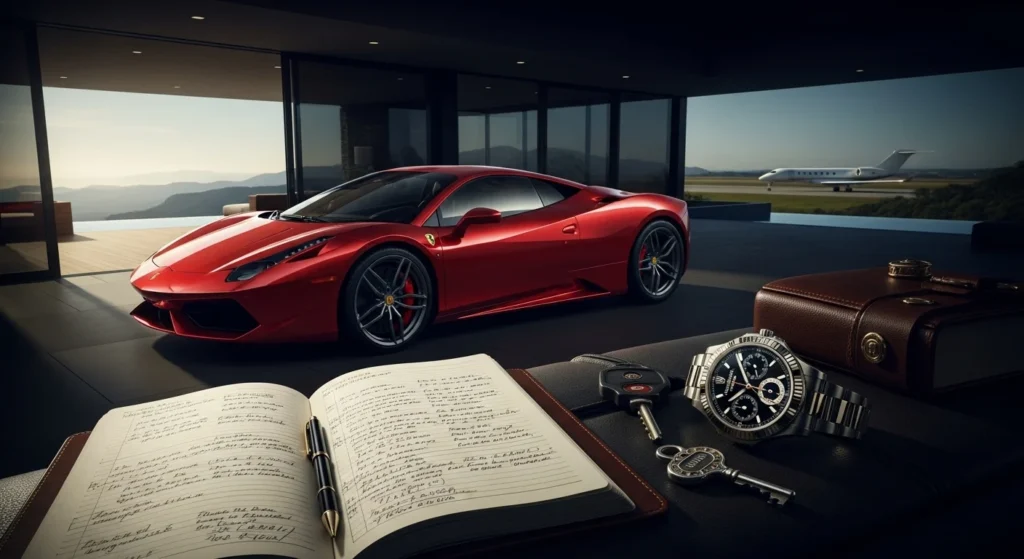
Luxury Doesn’t End at Checkout
Luxury ownership feels effortless from the outside.
A watch on a wrist.
A car in the driveway.
A home with clean lines and silence.
But behind every truly refined lifestyle is something most people never see: planning.
Not spreadsheets and stress — but foresight, intention, and respect for what luxury actually demands.
Because the truth is simple:
And that difference determines whether luxury elevates your life… or quietly complicates it.
Why Luxury Ownership Is Fundamentally Different
Mass-market products are designed to be used, replaced, and forgotten.
Luxury is different.
It is designed to:
- Last longer
- Age differently
- Hold meaning and value
- Require stewardship, not consumption
Luxury ownership isn’t about possession.
It’s about responsibility.
And responsibility always requires planning.
The Illusion: “If I Can Buy It, I Can Own It”
Many first-time luxury buyers fall into this trap.
They plan for:
- The purchase price
- The initial excitement
- The visible lifestyle upgrade
They don’t plan for:
- Long-term care
- Ongoing costs
- Time commitment
- Emotional upkeep
- Opportunity cost
That’s how luxury turns from a joy into a burden.
Not because it’s expensive — but because it was unprepared for.
What Planning Really Means in Luxury Ownership
Planning doesn’t mean overthinking.
It means understanding the full lifecycle of ownership.
That includes:
- Acquisition
- Maintenance
- Protection
- Storage
- Usage patterns
- Exit or inheritance
Luxury planning is about continuity, not control.
The Hidden Costs Most Buyers Never Calculate
Luxury rarely announces its real costs upfront.
They appear quietly, over time.
Common overlooked expenses include:
- Specialized maintenance
- Climate-controlled storage
- Insurance beyond standard policies
- Servicing by authorized professionals only
- Replacement parts with long lead times
- Restoration instead of replacement
These costs don’t make luxury less desirable.
They make it real.
Luxury Ownership vs Regular Ownership: A Simple Comparison
| Aspect | Regular Ownership | Luxury Ownership |
|---|---|---|
| Purchase Decision | Price-focused | Value-focused |
| Maintenance | Optional | Essential |
| Longevity | Short-term | Multi-decade |
| Emotional Attachment | Low | High |
| Resale Value | Minimal | Strategically managed |
| Planning Required | Low | Non-negotiable |
Luxury isn’t more fragile.
It’s more intentional.
Why Planning Protects the Experience, Not Just the Asset
Without planning, luxury becomes stressful.
With planning, luxury becomes calming.
That’s the paradox.
Planning:
- Removes uncertainty
- Prevents surprise expenses
- Preserves performance and beauty
- Allows guilt-free enjoyment
- Protects mental bandwidth
True luxury is not just what you own.
It’s how effortlessly you live with it.
Real-Life Example: Two Owners, Same Asset
Two people buy the same high-end timepiece.
One:
- Wears it daily
- Skips servicing
- Stores it carelessly
- Insures it poorly
The other:
- Rotates usage
- Services on schedule
- Stores it properly
- Documents ownership
Ten years later:
- One owns a worn object
- The other owns an appreciating asset
Same purchase.
Different planning.
Why Luxury Planning Is a Sign of Maturity, Not Restriction
Planning isn’t about fear.
It’s about respect.
Respect for:
- Craftsmanship
- Time
- Capital
- Legacy
Luxury owners who plan don’t feel limited.
They feel free — because nothing is left to chance.
Common Mistakes That Quietly Ruin Luxury Ownership
Avoid these if you want your lifestyle to stay refined:
- Buying for status instead of suitability
- Ignoring usage patterns
- Underinsuring valuable assets
- Skipping professional maintenance
- Treating luxury like a consumable
- Failing to plan for transitions or resale
Luxury punishes neglect quietly — not loudly.
Why This Matters More Today Than Ever
Luxury has shifted.
It’s no longer about showing.
It’s about sustaining.
Modern luxury owners value:
- Longevity over novelty
- Calm over excess
- Control over chaos
- Experience over display
Planning is what aligns ownership with that mindset.
Actionable Steps to Plan Luxury Ownership the Right Way
You don’t need complexity.
You need clarity.
Start with these steps:
- Define purpose before purchase
Why are you owning this — enjoyment, legacy, utility, or investment? - Understand full lifecycle costs
Not just purchase, but years of ownership. - Create ownership systems
Storage, servicing, documentation, insurance. - Plan usage intentionally
How often, where, and why it fits your life. - Think about the exit early
Resale, gifting, or inheritance.
Planning turns luxury into peace, not pressure.
Hidden Tip: The Best Luxury Owners Think Like Curators
They don’t accumulate.
They curate.
They ask:
- Does this add calm or clutter?
- Does this age well with me?
- Does this deserve my time and attention?
Luxury responds beautifully to intention.
Key Takeaways
- Luxury ownership is a long-term commitment, not a transaction
- Planning protects both value and experience
- Hidden costs are normal — unplanned costs are not
- True luxury feels effortless because it is prepared for
- Ownership maturity defines whether luxury elevates or burdens life
Frequently Asked Questions
Is luxury ownership only for wealthy individuals?
No. It’s about mindset, not net worth. Planning matters at every level.
Does planning reduce the spontaneity of luxury?
Actually, it increases freedom by removing stress and uncertainty.
Are luxury items always good investments?
Not always. Value depends on care, usage, and long-term planning.
How early should planning begin?
Before purchase. Planning after buying often costs more.
Can planning make luxury feel less indulgent?
No — it makes indulgence sustainable and guilt-free.
Conclusion: Ownership Is Where Luxury Truly Begins
Buying luxury is easy.
Owning it well is what separates confidence from chaos.
When luxury is planned, it:
- Feels lighter
- Lasts longer
- Ages better
- Serves your life instead of demanding it
True luxury doesn’t overwhelm.
It supports.
And support always starts with planning.
Disclaimer: This article is for informational and lifestyle insight purposes only and does not constitute financial or professional advice. Individual situations may vary.