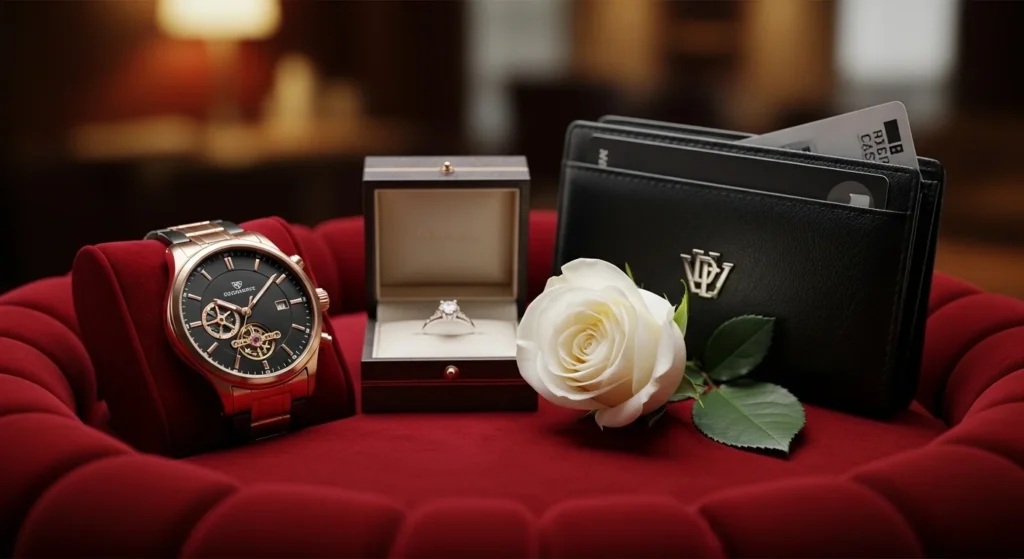
Luxury Hits Somewhere Deeper Than Logic
You don’t fall in love with a receipt.
You fall in love with how something makes you feel.
The silence when a car door closes.
The weight of a watch you never stop noticing.
The calm of a space that feels unmistakably yours.
Luxury ownership isn’t rational.
It’s emotional — and that’s not a weakness.
It’s the entire point.
Why Luxury Ownership Feels Different From the Start
Most purchases solve problems.
Luxury does something else.
It affirms identity.
Luxury ownership connects to:
- Who you believe you are
- How you see your progress
- What you choose to protect
- What you refuse to compromise
That emotional layer is why luxury is remembered long after price is forgotten.
The Emotional Gap Between Buying and Owning
Buying luxury is exciting.
Owning luxury is intimate.
Ownership introduces:
- Familiarity
- Attachment
- Responsibility
- Pride
- Sometimes even anxiety
Luxury doesn’t stay external.
It moves inward.
It becomes part of your emotional landscape.
Why Luxury Objects Carry Memory
Luxury items often mark moments.
A promotion.
A milestone.
A recovery.
A reward no one else needed to see.
That’s why luxury ownership feels personal.
It holds:
- Memory
- Effort
- Sacrifice
- Timing
You don’t just own the object.
You own the story attached to it.
The Psychology: Why the Brain Treats Luxury Differently
Research in consumer psychology consistently shows that luxury activates emotional processing centers more than utilitarian goods.
Luxury triggers:
- Reward pathways
- Identity reinforcement
- Emotional memory encoding
- Long-term attachment
That’s why luxury is harder to replace.
Your brain doesn’t categorize it as “stuff.”
It categorizes it as meaning.
Luxury Ownership vs Ordinary Ownership: A Comparison
| Aspect | Ordinary Ownership | Luxury Ownership |
|---|---|---|
| Emotional Attachment | Low | High |
| Memory Association | Minimal | Strong |
| Replacement Ease | Easy | Difficult |
| Identity Connection | Weak | Deep |
| Emotional Risk | Low | Higher |
Luxury isn’t fragile.
But your relationship with it is deeper.
Why Luxury Can Create Comfort — Or Anxiety
Emotion cuts both ways.
When luxury ownership is aligned with your life, it brings:
- Confidence
- Calm
- Satisfaction
- Stability
When it’s misaligned, it brings:
- Pressure
- Fear of loss
- Guilt
- Performance anxiety
Luxury amplifies emotion.
That’s why intention matters.
Real-Life Example: Same Item, Different Emotions
Two people own identical luxury bags.
One feels:
- Pride
- Ease
- Belonging
The other feels:
- Self-conscious
- Overexposed
- Anxious
The object didn’t change.
The emotional relationship did.
Luxury mirrors the owner more than the price.
Why Emotional Ownership Is What Creates “Quiet Luxury”
Quiet luxury isn’t about hiding wealth.
It’s about internal satisfaction.
Emotionally grounded luxury:
- Doesn’t need validation
- Doesn’t chase attention
- Feels stable instead of performative
The quieter the ownership, the deeper the emotional security.
Common Emotional Mistakes Luxury Buyers Make
Luxury ownership becomes heavy when emotion isn’t understood.
Mistakes to avoid:
- Buying to impress instead of align
- Chasing trends over personal meaning
- Overexposing emotionally significant items
- Treating luxury as proof instead of pleasure
- Ignoring the emotional cost of upkeep
Luxury responds badly to insecurity.
Why This Matters Today More Than Ever
Modern life is noisy.
Fast.
Comparative.
Overstimulated.
Luxury ownership offers something rare:
- Slowness
- Control
- Grounding
- Continuity
But only when it’s emotionally intentional.
Otherwise, it becomes just another loud signal.
Hidden Tip: The Luxury You Love Most Is Rarely the Flashiest
Ask long-term luxury owners.
Their most cherished pieces are usually:
- Understated
- Personal
- Quiet
- Deeply familiar
Emotion grows with time, not attention.
How to Build a Healthier Emotional Relationship With Luxury
Use these actionable steps:
- Buy for personal resonance
If no one else saw it, would you still want it? - Limit emotional exposure
Not everything needs to be displayed or explained. - Allow attachment without guilt
Emotional value is not irrational — it’s human. - Curate, don’t accumulate
Too much luxury dilutes emotional depth. - Let luxury support your life, not define it
Emotion should enrich — not dominate.
Key Takeaways
- Luxury ownership is emotional because it connects to identity and memory
- Emotional attachment is what makes luxury meaningful and lasting
- The wrong emotional motivation can turn luxury into stress
- Quiet luxury reflects emotional security, not restraint
- The best luxury relationships feel calm, not performative
Frequently Asked Questions
Is it normal to feel emotionally attached to luxury items?
Yes. Emotional attachment is a core part of why luxury exists.
Can emotional ownership make luxury stressful?
Only when the purchase is driven by insecurity instead of alignment.
Why do some luxury items feel irreplaceable?
Because they’re tied to memory, effort, and personal milestones.
Does emotional luxury conflict with practicality?
No. The best luxury balances emotion and function.
How do you know if luxury ownership is healthy?
When it brings calm, not pressure — and joy without explanation.
Conclusion: Luxury Lives Where Emotion Lives
Luxury isn’t about things.
It’s about feeling settled inside yourself.
When luxury ownership is emotional in the right way, it:
- Grounds you
- Reminds you of progress
- Supports your sense of self
- Feels quietly affirming
That’s why luxury lasts.
Not because it’s expensive.
But because it means something.
Disclaimer: This article is intended for general lifestyle and educational purposes and reflects personal insights rather than professional advice.