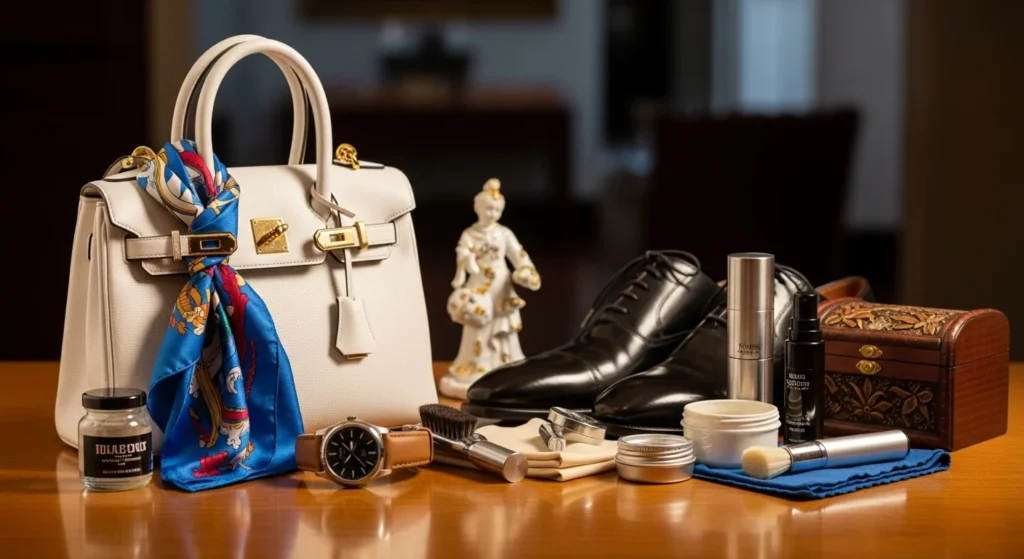
Luxury Is Delicate for a Reason
Luxury doesn’t ask for attention.
It demands respect.
That soft leather.
That flawless finish.
That silent precision.
Luxury items are not fragile — but they are intentionally sensitive.
And that sensitivity is exactly why they feel different the moment you touch them.
Why Luxury Items Are Designed Differently
Luxury is not mass-produced convenience.
It is engineered intimacy.
Luxury items often use:
- Natural materials
- Hand-finished components
- Complex construction
- Precision tolerances
- Minimal protective coatings
These choices enhance beauty and performance — but they also remove the buffers that mass-market products rely on.
Luxury feels alive because it hasn’t been overprotected.
Special Care Is Not a Flaw — It’s a Feature
Many people misunderstand this.
They assume special care means weakness.
In reality, it means purity.
Luxury items avoid:
- Heavy synthetic barriers
- Excessive chemical treatments
- Disposable materials
Instead, they rely on:
- Skill
- Craft
- Knowledge
- Proper handling
Special care preserves what shortcuts would destroy.
Luxury vs Ordinary Items: Why Care Requirements Differ
| Aspect | Ordinary Items | Luxury Items |
|---|---|---|
| Materials | Synthetic blends | Natural, rare, refined |
| Finishes | Protective coatings | Hand-applied finishes |
| Tolerance | High | Precise |
| Repair | Replaceable | Restorable |
| Longevity | Short-term | Multi-decade |
Luxury is built to last — if treated correctly.
The Emotional Reason Care Matters So Much
Luxury ownership is emotional.
That emotional connection deepens when you care properly.
Special care:
- Builds attachment
- Encourages mindfulness
- Reinforces pride
- Creates ritual
Neglect doesn’t just damage the item.
It erodes the experience.
Real-Life Example: Two Owners, One Outcome
Two people own identical high-end leather goods.
One:
- Stores it properly
- Cleans it gently
- Avoids overuse
- Understands the material
The other:
- Treats it casually
- Exposes it to heat and moisture
- Skips maintenance
Years later:
- One item ages beautifully
- The other deteriorates prematurely
Luxury doesn’t punish — it simply responds.
Why Luxury Items Age Instead of Wearing Out
Mass products degrade.
Luxury evolves.
Proper care allows luxury items to:
- Develop patina
- Maintain structural integrity
- Retain tactile richness
- Preserve original intent
Aging is expected.
Damage is not.
Special care is the difference.
Common Care Mistakes That Quietly Ruin Luxury
These errors are subtle — and costly:
- Using generic cleaners
- Ignoring humidity and temperature
- Over-cleaning delicate surfaces
- Skipping professional servicing
- Improper storage
- Treating luxury like everyday utility
Luxury deterioration is slow, silent, and irreversible.
Why This Matters Today More Than Ever
Luxury today is less about excess.
More about:
- Longevity
- Sustainability
- Intentional ownership
- Emotional value
Caring properly is no longer optional.
It’s part of the modern luxury mindset.
Hidden Tip: Luxury Thrives on Predictability
Luxury items perform best when conditions are stable.
That includes:
- Consistent environments
- Regular inspection
- Gentle use
- Scheduled care
Luxury doesn’t need constant attention.
It needs consistent respect.
Actionable Steps to Care for Luxury the Right Way
You don’t need obsession.
You need structure.
Follow these steps:
- Understand the material first
Care begins with knowledge, not products. - Create proper storage conditions
Light, air, and moisture matter more than you think. - Use items intentionally
Rotation reduces stress and wear. - Schedule professional maintenance
Prevention costs less than restoration. - Avoid shortcuts and DIY fixes
Improvisation causes permanent damage.
Luxury responds best to calm routines.
Why Special Care Protects Value, Not Just Appearance
Luxury items often retain or increase value.
But only when:
- Original condition is preserved
- Materials are maintained correctly
- Documentation and service history exist
Neglect erases value quietly.
Care preserves optionality.
The Difference Between Care and Overprotection
Overprotection suffocates luxury.
Proper care supports it.
Healthy care:
- Is periodic, not constant
- Uses appropriate methods
- Respects original design
Luxury should be lived with — not locked away.
Key Takeaways
- Luxury items require special care because of how they’re made
- Sensitivity is intentional, not a weakness
- Proper care enhances longevity, beauty, and value
- Neglect damages both the item and the ownership experience
- Caring for luxury is part of respecting craftsmanship
Frequently Asked Questions
Are luxury items more fragile than regular ones?
No. They are more refined and require informed handling.
Does special care make luxury impractical?
No. It makes ownership intentional and rewarding.
Can improper care permanently damage luxury items?
Yes. Many forms of damage are irreversible.
Is professional maintenance really necessary?
For most luxury items, yes — it preserves integrity.
Can luxury items still be used regularly?
Absolutely, when usage is mindful and balanced.
Conclusion: Care Is the Quiet Language of Luxury
Luxury doesn’t ask you to be careful.
It asks you to be aware.
When you care properly:
- Luxury lasts longer
- Feels better
- Ages beautifully
- Remains emotionally satisfying
Special care isn’t extra effort.
It’s the invisible agreement between owner and object.
Disclaimer: This article is for general lifestyle and educational purposes only and reflects broad ownership principles rather than individualized guidance.
Pingback: Why Luxury Ownership Requires Planning — The Hidden Costs, Commitments, and Decisions Most People Overlook