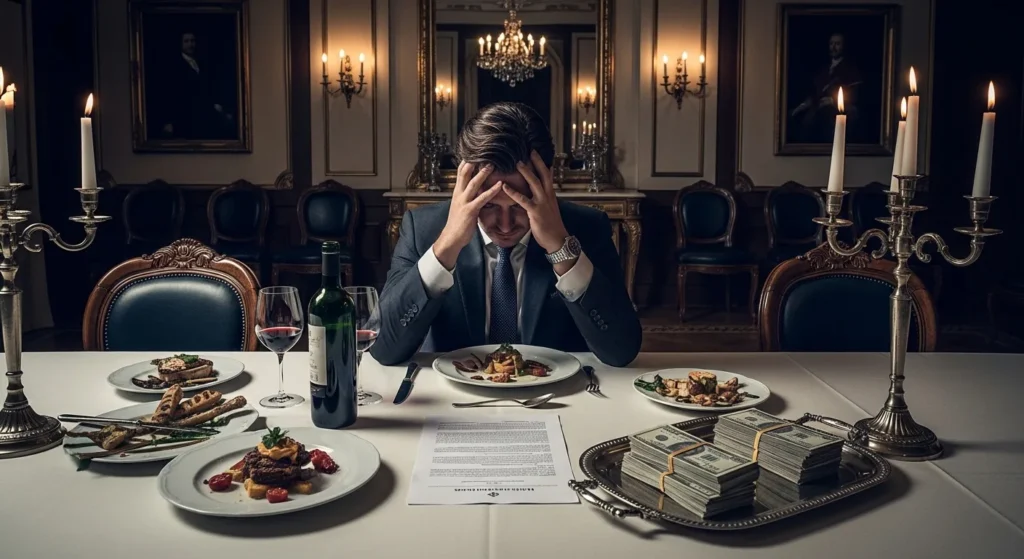
When Something Beautiful Starts to Feel Heavy
Luxury is supposed to feel rewarding.
Calming.
Affirming.
Effortless.
Yet many owners quietly experience something else:
Not the obvious kind — but a low, constant pressure that sits beneath the surface.
The kind you don’t talk about, because from the outside, everything looks perfect.
Luxury ownership can be stressful not because luxury is bad — but because it changes what you carry.
Why Luxury Ownership Creates Pressure You Didn’t Expect
Luxury doesn’t just add objects to your life.
It adds:
- Responsibility
- Attention
- Visibility
- Emotional weight
The moment something becomes valuable, it demands care.
And care, when unexamined, turns into pressure.
The Stress Starts When Luxury Stops Feeling Replaceable
Ordinary items are easy to lose, damage, or forget.
Luxury is different.
Luxury items:
- Feel irreplaceable
- Carry emotional meaning
- Represent effort or achievement
- Hold significant value
That sense of irreplaceability is where stress quietly enters.
Luxury Ownership vs Regular Ownership: A Stress Comparison
| Aspect | Regular Ownership | Luxury Ownership |
|---|---|---|
| Replaceability | Easy | Difficult |
| Emotional Attachment | Low | High |
| Maintenance Anxiety | Minimal | Ongoing |
| Fear of Damage | Low | Elevated |
| Mental Load | Light | Heavier |
Luxury doesn’t overwhelm instantly.
It accumulates pressure over time.
The Fear of Damage Is the Most Common Stress Trigger
Owners rarely say this out loud.
But they think it constantly.
- What if it gets scratched?
- What if it loses value?
- What if it gets stolen?
- What if I’m not caring for it properly?
Luxury invites vigilance.
Without boundaries, vigilance becomes anxiety.
Real-Life Example: When Pride Turns Into Tension
A first-time luxury buyer loves their purchase.
At first.
Then:
- They hesitate to use it
- They worry about environments
- They constantly monitor condition
Eventually, the item feels less like a reward and more like a responsibility.
Not because luxury failed — but because expectations weren’t managed.
Why Visibility Makes Luxury Ownership Stressful
Luxury attracts attention.
Sometimes welcome.
Sometimes not.
Visibility introduces:
- Comparison
- Judgment
- Self-consciousness
- Performance pressure
When luxury ownership feels like it needs to be justified or explained, stress follows.
Quiet luxury exists precisely to reduce this burden.
Maintenance Stress: The Cost No One Talks About
That includes:
- Specialized servicing
- Professional maintenance
- Correct storage
- Ongoing expenses
The stress isn’t the cost itself.
It’s the uncertainty around it.
Unplanned care becomes mental clutter.
Why Emotional Attachment Amplifies Stress
The more emotionally meaningful something is, the more pressure we place on ourselves to protect it.
Luxury items often symbolize:
- Progress
- Identity
- Self-worth
- Personal milestones
When something carries meaning, losing or damaging it feels personal.
That emotional layering intensifies stress.
Common Mistakes That Make Luxury Ownership Harder Than It Needs to Be
Most stress comes from avoidable patterns.
Watch out for:
- Buying luxury to impress instead of align
- Overusing or underusing items
- Skipping routine maintenance
- Treating luxury like an investment only
- Letting fear dictate usage
Luxury punishes extremes — not moderation.
Why This Matters Today More Than Ever
Modern life already demands attention.
Luxury should reduce mental load, not add to it.
As people seek:
- Calm
- Control
- Simplicity
Stressful luxury feels outdated.
The future of luxury ownership is emotional ease.
Hidden Tip: Stress Signals Misalignment, Not Failure
If luxury ownership feels stressful, it’s not a personal flaw.
It’s a signal.
A signal that:
- The item doesn’t match your lifestyle
- The ownership structure is missing
- Expectations were unrealistic
Stress is feedback — not condemnation.
Actionable Steps to Reduce Luxury Ownership Stress
You don’t need less luxury.
You need better boundaries.
- Define the role of the item
Is it for daily use, rotation, or occasion? - Create simple care systems
Remove decision fatigue. - Accept normal wear gracefully
Aging is not failure. - Limit emotional overinvestment
Luxury should support you, not carry your identity. - Choose alignment over aspiration
Luxury should feel like relief — not pressure.
The Difference Between Healthy Care and Anxiety
Healthy care:
- Is scheduled
- Is calm
- Feels routine
Anxiety-driven care:
- Is constant
- Is reactive
- Feels heavy
Luxury thrives on calm consistency, not control.
Key Takeaways
- Luxury ownership can be stressful due to emotional attachment and responsibility
- Fear of damage, visibility, and maintenance are common stress triggers
- Stress often signals misalignment, not excess
- Proper planning and boundaries reduce pressure
- True luxury ownership should feel supportive, not burdensome
Frequently Asked Questions
Is it normal to feel stressed owning luxury items?
Yes. Many owners experience this, especially early on.
Does stress mean luxury isn’t worth it?
No. It often means expectations or systems need adjustment.
Should luxury items be used or preserved?
Used intentionally — not feared or avoided.
Can luxury ownership become emotionally unhealthy?
Yes, if identity and self-worth become tied to objects.
How do you know luxury ownership is balanced?
When enjoyment outweighs concern, and calm replaces vigilance.
Conclusion: Luxury Should Feel Like Support, Not Weight
Luxury is meant to elevate life.
Not complicate it.
Not pressure it.
Not dominate it.
When ownership is intentional, aligned, and emotionally grounded, luxury:
- Feels lighter
- Brings confidence
- Offers calm
If luxury feels stressful, it’s not asking for less appreciation.
It’s asking for better alignment.
Disclaimer: This article is intended for general lifestyle and educational purposes and reflects broad ownership experiences rather than individual circumstances.