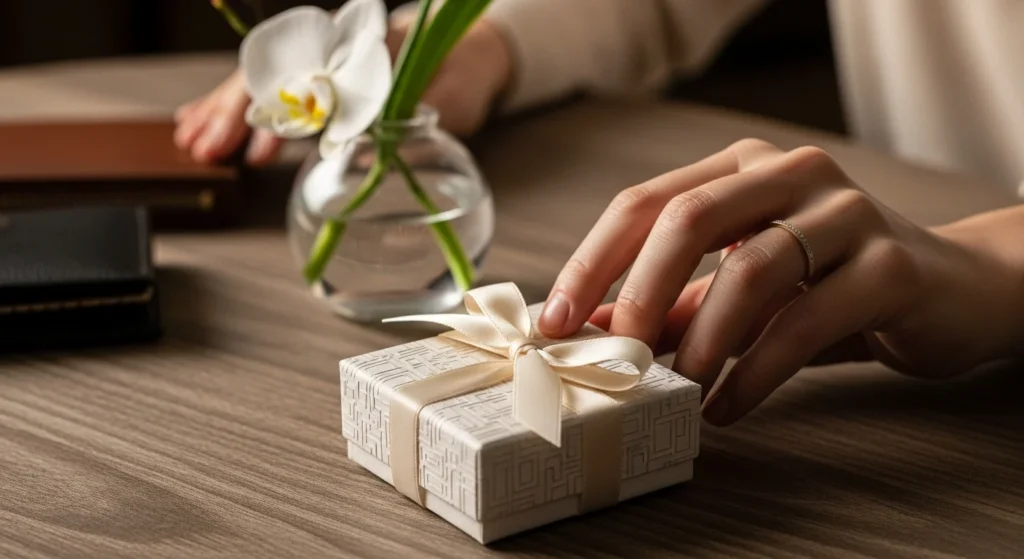
The Strange Shift in What Feels “Expensive”
Walk into a beautifully designed room with muted colors, soft textures, and almost no branding.
It doesn’t scream wealth.
It whispers it.
And somehow, it feels more expensive than a space filled with obvious luxury cues.
This isn’t an accident.
It’s psychology.
Across fashion, interiors, travel, food, and even digital experiences, subtlety has become the new signal of premium value. Not because trends changed—but because people did.
We’re overwhelmed by noise. Logos everywhere. Claims everywhere. Notifications everywhere.
In that environment, restraint stands out.
This article explores why subtlety feels more expensive, how our brains interpret quiet cues as higher value, and how you can apply this insight—whether you’re curating a lifestyle, a brand, or simply your own taste.
The Brain’s Shortcut: Why Quiet Signals Mean Confidence
Human perception runs on shortcuts.
When something is overly explained, heavily branded, or aggressively promoted, the brain quietly asks:
Why is it trying so hard?
Subtlety sends the opposite message:
- No justification needed
- No validation required
- No urgency to impress
Psychologically, this reads as confidence.
And confidence is expensive.
Why this matters today
In a world of constant self-promotion, restraint signals security. Only those who are certain of their value can afford to be understated.
Loud Luxury vs. Quiet Luxury: A Quick Comparison
| Feature | Loud Luxury | Subtle Luxury |
|---|---|---|
| Branding | Large logos, obvious markers | Minimal or invisible branding |
| Messaging | “Look at me” | “Notice if you know” |
| Appeal | Immediate, mass recognition | Selective, insider recognition |
| Longevity | Trend-driven | Timeless |
| Emotional effect | Excitement, validation | Calm, assurance |
The difference isn’t price alone.
It’s how value is communicated.
Scarcity Without Announcement Feels Pricier
Scarcity increases value—but how it’s expressed matters.
- Loud scarcity: “Limited Edition! Only 100 Left!”
- Subtle scarcity: You rarely see it.
The second approach works better because it feels natural, not engineered.
Our brains are sensitive to manipulation. When scarcity is shouted, it feels like marketing. When it’s quiet, it feels real.
Real-life example
Think of a small hotel with no billboards, no influencer hype, and no discounts—yet it’s always booked.
That silence becomes its status.
Craftsmanship Speaks Softly (But Carries Weight)
True craftsmanship doesn’t need explanation.
You feel it in:
- The weight of a ceramic cup
- The way a door closes
- The softness of worn leather
- The balance of a well-cooked dish
These are sensory cues—not verbal ones.
Subtle luxury relies on tactile and experiential signals, because they’re harder to fake.
Hidden tip
If something needs a long story to justify its price, it usually isn’t as well made as it claims.
Why Logos Are Losing Power
Logos once served a purpose: signaling access and success.
But now:
- Logos are everywhere
- Counterfeits are common
- Status markers are overexposed
What happens when everyone can look wealthy?
The wealthy stop advertising.
Subtle cues replace visible ones:
- Fit instead of flash
- Materials instead of monograms
- Personal taste instead of trend adoption
This shift isn’t anti-luxury.
It’s post-logo luxury.
The Emotional Payoff: Calm Feels Rich
Loud environments create stimulation.
Subtle ones create relief.
And relief is a luxury emotion.
Think about:
- A quiet cabin instead of a five-star lobby
- Soft lighting instead of chandeliers
- Fewer choices instead of endless options
The more demanding the world becomes, the more valuable calm feels.
Why this matters today
Luxury has moved from impressing others to protecting your nervous system.
Subtlety Signals Time, Not Money
Money can be acquired quickly.
Taste cannot.
Subtle luxury suggests:
- Long exposure
- Refined judgment
- Fewer impulsive decisions
It implies someone has had time to learn what actually matters.
And time—more than money—is the rarest currency.
Common Mistakes That Make Things Feel Cheaper
Even expensive items can feel cheap if subtlety is ignored.
Avoid these traps:
- Over-explaining quality
- Chasing trends instead of coherence
- Mixing too many “premium” elements at once
- Prioritizing recognition over experience
Luxury collapses when it tries too hard.
How to Apply Subtle Luxury in Everyday Life
You don’t need a massive budget to embrace subtlety.
Start here:
- Edit aggressively — Remove excess before adding anything new
- Choose fewer, better things — Consistency beats variety
- Prioritize feel over appearance — Comfort, texture, silence
- Let quality reveal itself slowly — No rush, no pitch
- Avoid performative upgrades — Impress yourself first
Subtlety is less about what you buy—and more about what you decline.
Why Subtlety Builds Long-Term Value
Trends expire.
Calm endures.
Subtle luxury ages well because:
- It doesn’t rely on novelty
- It adapts quietly
- It resists fatigue
What feels expensive today will feel embarrassing tomorrow if it’s loud enough.
Quiet choices, on the other hand, accumulate value.
Key Takeaways
- Subtlety signals confidence, security, and experience
- Quiet cues feel more authentic than loud claims
- Craftsmanship communicates value without words
- Calm has become a premium emotional state
- True luxury is recognized, not announced
Frequently Asked Questions
1. Is subtle luxury only for wealthy people?
No. Subtlety is a mindset. Editing, restraint, and intentional choices matter more than price.
2. Why does minimal design often feel more expensive?
Because it exposes flaws. Only high-quality execution survives without decoration.
3. Are logos completely outdated?
Not entirely—but they no longer define luxury on their own.
4. How can brands use subtlety without losing attention?
By focusing on experience, consistency, and emotional resonance instead of volume.
5. Does subtle luxury work across cultures?
Yes. While expressions differ, restraint and craftsmanship are universally respected.
Conclusion: The Quiet Always Outlasts the Loud
Luxury isn’t disappearing.
It’s growing quieter.
As the world gets noisier, subtler signals cut through more deeply. They don’t beg for attention—they earn it.
In the end, what feels most expensive isn’t what everyone notices.
It’s what doesn’t need to be noticed at all.
Disclaimer: This article is for informational and lifestyle insight purposes only and reflects general observations, not personal financial or purchasing advice.