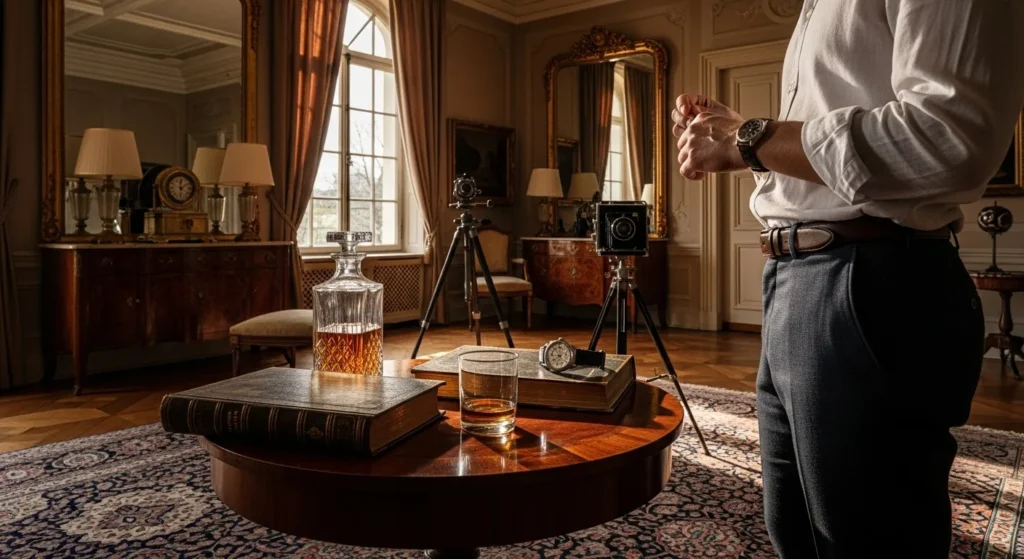
The Strange Comfort of Something Old
Some things don’t age.
A well-made leather chair.
A tailored coat passed down generations.
A hotel lobby that feels just as calming today as it did decades ago.
You don’t think, this is old.
You think, this feels right.
That feeling is the essence of luxury.
Luxury feels timeless not because it resists change—but because it’s built on principles that outlast trends, technology, and noise. While fashion cycles accelerate and attention spans shrink, true luxury remains emotionally steady.
This article explores why luxury feels timeless, what separates it from trend-driven consumption, and how this timelessness shapes modern taste, trust, and value.
Timelessness Is Not About Age—It’s About Stability
A common misunderstanding: timeless means old.
In reality, timelessness means stable under change.
Luxury objects, spaces, and experiences feel timeless because they:
- Don’t rely on novelty
- Aren’t optimized for short-term attention
- Hold their emotional impact over time
When trends fade, timeless luxury stays relevant because it was never trying to impress in the first place.
This stability creates trust—and trust is the foundation of luxury.
The Psychological Reason Luxury Feels Timeless
Our brains crave predictability.
In a fast-moving world, familiar quality feels safe. Timeless luxury taps into deep psychological cues:
- Balance
- Proportion
- Harmony
- Restraint
These cues reduce mental effort.
That’s why luxury environments feel calming instead of stimulating—and why timeless design doesn’t exhaust you.
Luxury doesn’t ask for attention.
It rewards attention.
Craftsmanship: The Backbone of Timeless Luxury
Luxury lasts because it’s built to.
Craftsmanship isn’t just about durability—it’s about intention.
Timeless luxury prioritizes:
- Hand-finished details
- Natural materials that age well
- Construction methods refined over decades
- Fewer shortcuts, more skill
When something is made with care, it ages with character instead of decay.
That aging becomes part of its story.
Why Trends Date—but Luxury Doesn’t
Trends are designed to expire.
They rely on:
- Visual novelty
- Social validation
- Rapid replacement
Luxury rejects all three.
Instead, timeless luxury focuses on:
- Proportion over decoration
- Function over flash
- Longevity over hype
A trend demands attention now.
Luxury earns appreciation over time.
The Role of Restraint in Timeless Appeal
Luxury understands the power of stopping early.
Restraint shows up as:
- Fewer colors
- Softer branding
- Clean silhouettes
- Edited environments
When nothing extra is added, nothing needs to be removed later.
Restraint is why luxury doesn’t feel “stuck in a decade”—it never fully belonged to one.
Timeless Luxury vs Trend-Driven Consumption
| Aspect | Timeless Luxury | Trend-Driven Products |
|---|---|---|
| Design philosophy | Longevity-focused | Attention-focused |
| Emotional impact | Calm, grounded | Exciting, fleeting |
| Lifespan | Decades | Seasons |
| Brand behavior | Slow evolution | Constant reinvention |
| Perceived value | Increases with time | Decreases quickly |
This difference explains why some items feel relevant for generations while others feel dated within months.
Why This Matters Today (More Than Ever)
We live in an era of overload.
- Endless updates
- Infinite choices
- Constant stimulation
Timeless luxury offers relief.
It reduces:
- Decision fatigue
- Replacement cycles
- Emotional noise
People aren’t just buying luxury—they’re buying stability in an unstable world.
That’s why timelessness has become the ultimate status signal.
Real-Life Example: The Same Space, Decades Later
Walk into a well-designed luxury hotel lobby built decades ago.
You’ll notice:
- The lighting still feels soft
- The materials still feel substantial
- The layout still feels intuitive
Nothing screams a specific era.
That’s intentional.
Timeless luxury designs for human behavior, not design trends.
The Emotional Value of Longevity
Timeless luxury creates emotional continuity.
When something lasts:
- It witnesses life stages
- It carries memory
- It gains meaning
This emotional layering can’t be manufactured quickly.
It’s why people repair luxury items instead of replacing them—and why inheritance matters in luxury culture.
Hidden Tip: Timelessness Is Quiet Confidence
Luxury doesn’t fear irrelevance.
It doesn’t rush updates or chase younger audiences aggressively.
Why?
Because timeless luxury trusts its foundation.
That confidence translates emotionally. You feel it the moment you interact with something built to last.
Common Mistakes That Break Timelessness
Many brands try to appear timeless—but fail.
Mistakes include:
- Over-branding
- Excessive storytelling
- Forced heritage narratives
- Trend-based “modernization”
True timelessness evolves subtly.
Anything that tries too hard dates itself.
How to Identify Truly Timeless Luxury
You don’t need expert training—just attention.
Look for:
- Material honesty – Does it age gracefully?
- Design restraint – Would this still work without decoration?
- Functional clarity – Is it intuitive to use?
- Brand behavior – Do they change slowly?
- Emotional response – Does it calm rather than excite?
If it feels steady instead of stimulating, you’re close.
Actionable Ways to Apply Timeless Luxury Thinking
You don’t need to buy expensive items to adopt timeless principles.
Start small:
- Choose fewer, higher-quality items
- Favor neutral palettes
- Avoid over-customization
- Invest in repair, not replacement
- Edit your environment regularly
Timelessness is a mindset before it’s a purchase.
The Cultural Power of Timeless Luxury
Timeless luxury quietly shapes culture.
It influences:
- Architecture
- Hospitality
- Fashion
- Even digital design
Because it respects human rhythm instead of fighting it.
That’s why timeless luxury doesn’t feel old—it feels human.
Key Takeaways
- Luxury feels timeless because it’s built on stability, not novelty
- Craftsmanship and restraint create longevity
- Timeless design reduces mental and emotional fatigue
- Trends chase relevance; luxury waits for it
- Timelessness is emotional, not just visual
Frequently Asked Questions
1. Is timeless luxury the same as classic style?
Classic style is part of it, but timeless luxury also includes behavior, materials, and mindset.
2. Can modern brands be timeless?
Yes—if they design for longevity and evolve slowly.
3. Why does timeless luxury feel calming?
Because it reduces sensory overload and aligns with human psychology.
4. Does timeless luxury cost more?
Upfront, often yes. Long-term, it usually costs less due to durability.
5. Can timelessness apply to everyday life?
Absolutely. It starts with intention, editing, and restraint.
Conclusion: Why Timelessness Is the Ultimate Luxury
Luxury doesn’t need to keep up.
It moves at its own pace—steady, intentional, grounded.
That’s why it feels timeless.
In a world obsessed with what’s next, timeless luxury reminds us what lasts. And that quiet confidence is what makes it endlessly desirable.
Disclaimer: This article is based on general observations of design, psychology, and lifestyle trends and is intended for informational purposes only.
Pingback: Why Luxury Cars Age Differently — The Hidden Design Choices That Let Them Improve With Time
Pingback: Why Luxury Brands Invest in Heritage — The Timeless Asset That Money Can’t Buy
Pingback: Why True Luxury Gets Better With Time (And Fast Fashion Doesn’t)